Building Speculation Markets for Social Graphs in Web3 SocialFi Platforms

In the volatile world of Web3 SocialFi, 2026 has been a brutal reality check. Tokens from early darlings like Friend. tech, DESO, and RLY have cratered over 90% from their peaks, leaving a trail of abandoned platforms and disillusioned speculators. Yet, amid this consolidation, a resilient path emerges: speculation markets for social graphs. These aren’t just another hype cycle; they’re the infrastructure to monetize the invisible threads of human connections in a decentralized economy. As platforms pivot to sovereign identities and encrypted messaging, savvy builders can layer on speculation tools to capture relational value tokens before the next wave hits.

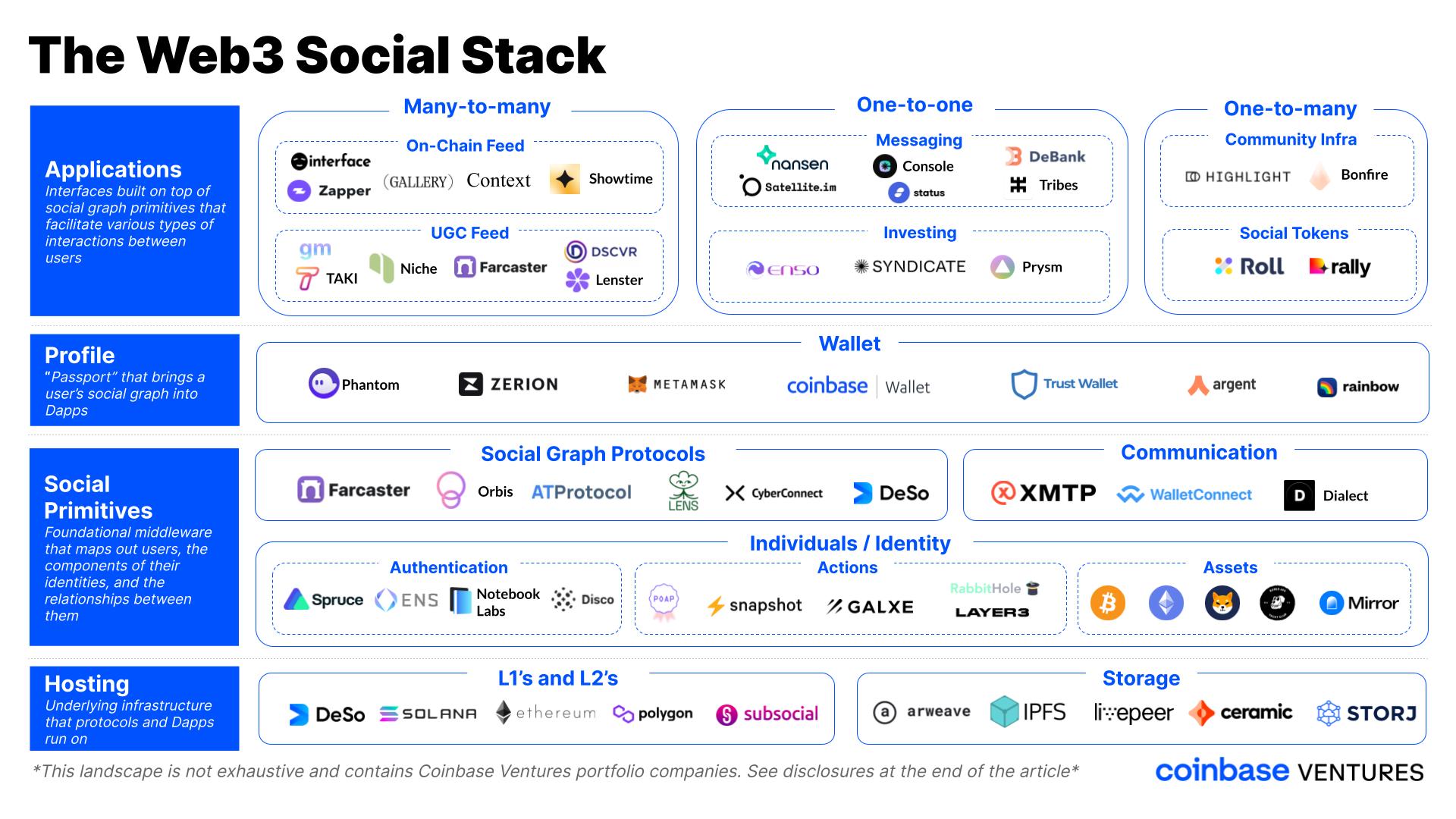
The promise? Turning fleeting social dynamics into tradable assets. Imagine betting on the strength of influencer networks or the virality of community bonds, all powered by on-chain data. With SocialFi market projections soaring from $150.38 million in 2024 to $281.03 million by 2033 at an 8.13% CAGR, the timing is prime for developers to verticalize the stack and own the speculation layer.
Lessons from the SocialFi Shakeout: Building for Endurance
First-gen SocialFi chased quick bucks through tokenized keys and share trading, but it backfired. Speculative frenzy without sticky engagement led to ghost towns. Ethereum co-founder Vitalik Buterin nailed it: financializing every interaction breeds boom-bust toxicity. Platforms that survived are ditching pure token pumps for ‘Social Essence’ – real content flows and portable identities that span chains.
This shift hands builders a blueprint. Relation Labs’ Link Tool Suite, for instance, lets Dapps across blockchains tap Web3 social graph data seamlessly. Pair that with The Graph’s subgraphs for indexing relationships, and you’ve got the data backbone for speculation. My take? Don’t speculate on hype; speculate on utility. Focus on social graph visualization that reveals emerging clusters – think momentum indicators, but for networks. Spot a rising podcaster’s graph density spiking? That’s your 3-10 day trade signal in social tokens trading.
Social Graphs as Speculatable Assets: The Mechanics
At its core, a social graph maps nodes (users) and edges (connections) on-chain. In Web3 SocialFi, these aren’t static; they’re dynamic, fueled by interactions, endorsements, and co-creations. The genius lies in speculation markets that price these edges. Relational value – the premium on a collab between creators – becomes a token. Traders buy low on nascent bonds, sell high as they solidify.
Variant Fund’s verticalization thesis rings true: own the stack from identity to prediction layers for defensibility. Tools like Polymarket clones show the way. Thirdweb tutorials make it dead simple to spin up markets where users wager on graph metrics: ‘Will this influencer’s degree centrality double by Q3?’ Blockchain App Factory outlines SocialFi dev stacks blending DeFi primitives with social feeds.
Opinion: This beats Web2’s walled gardens. Users own their graphs, portable across apps. OneKey’s take on engagement-to-value conversion? Spot on, but amp it with speculation. Visualize graphs in real-time – clusters glowing with liquidity – and watch traders flock. It’s swing trading networks: catch the connection wave, not the ripple.
Stacking the Foundation: Data, Oracles, and Incentives
Start with robust data. Index social actions via protocols like The Graph for queryable subgraphs. Relation’s suite aggregates cross-chain relations, feeding oracles that settle markets fairly. No more central points of failure.
Incentives seal the deal. Bootstrap liquidity with protocol tokens airdropped to active graph participants. Micro-subscriptions fund ops, echoing the sustainable pivot post-2026 shakeout. Developers, think modular: plug speculation into existing SocialFi like Farcaster or Lens, verticalizing without rebuilding.
Pro tip from my options days: balance technical setups (graph thresholds) with catalysts (viral events). A speculation markets social graphs layer turns passive observers into skin-in-the-game prophets. As Web3 social stacks mature, those who build these markets first will dominate web3 socialfi.
Next, we’ll dive into smart contract blueprints and UI/UX that hooks traders. . .
Smart contracts turn these ideas into enforceable reality. Craft markets as ERC-20 or ERC-1155 tokens representing bets on graph edges – say, the projected interaction volume between two nodes. Use Chainlink oracles for off-chain social data feeds, ensuring tamper-proof settlements. In my swing trading playbook, this mirrors options chains: strike prices on graph metrics like betweenness centrality or clustering coefficients.
Blueprints in Action: Smart Contracts and Settlement
Picture a contract where liquidity providers stake against outcomes like ‘Node A’s eigenvector centrality exceeds 0.8 by epoch end. ‘ Winners claim pools via automated payouts. Draw from Polymarket’s architecture: modular markets with UMA-style optimistic oracles for disputes. Thirdweb’s deployable templates slash boilerplate, letting you focus on graph-specific twists.
Layer in governance. DAO holders vote on new markets, curbing rug risks that plagued early SocialFi. Sustainable fees – 0.5% per trade – fund subgraph upkeep, aligning with the post-2026 pivot to micro-subscriptions. Builders, this is your edge: speculation markets social graphs aren’t gambles; they’re precision instruments for relational value tokens.
UI/UX seals user addiction. Ditch sterile dashboards for immersive social graph visualization. Picture 3D force-directed graphs where edges pulse with liquidity depth – green for bids, red for asks. Hover reveals token stats: volume, implied volatility on connections. Mobile-first, with AR overlays for scanning real-world meets into on-chain bonds. Farcaster integrations pull live casts as catalysts, spiking trades.
Engagement loops? Viral sharing of positions, leaderboards for top graph forecasters. Gamify with badges for accurate calls, redeemable for premium data. This hooks like options scanners during earnings season – constant buzz, real stakes. Web3 SocialFi thrives when speculation feels intuitive, not arcane.
Risks? Oracle failures or sybil attacks on graphs. Mitigate with zero-knowledge proofs for identity and multi-oracle consensus. Post-consolidation, platforms like those emphasizing encrypted messaging offer clean data pipes. My opinion: lean into verticalization. Own from subgraph indexing to frontend speculation hubs. OneKey’s user-owned economy vision? Supercharge it with tradable foresight.
Monetization Mastery: Liquidity and Growth Hacks
Bootstrap with airdrops to high-degree nodes – proven engagers get first dibs on social tokens trading. Partner with Lens or Farcaster for plug-and-play: their profiles feed your markets. Revenue streams diversify: trading fees, premium analytics subscriptions, even NFT drops of historic graph snapshots.
Scale via composability. Let DeFi protocols borrow graph signals for lending rates – collateralize against network strength. As SocialFi hits $281.03 million by 2033, early movers in web3 socialfi speculation will capture outsized slices. Think momentum: ride clusters forming around AI creators or DAO mergers.
Challenges ahead include regulatory fog around social prediction markets. Frame them as information tools, not bets – education markets on graph evolution. Community governance evolves norms, dodging Vitalik’s toxicity traps.
Ultimately, speculation markets for social graphs redefine Web3 SocialFi. They transform abstract connections into liquid gold, empowering traders to surf relational waves. Developers, stack your protocols now. Catch the surge in human networks – your portfolio of tomorrow depends on it. Platforms revolutionizing this space, like those at Speculationdrivensocial. com, beckon with tools to visualize, predict, and trade. Dive in, build boldly, and own the social future.