Optimizing Tokenomics for Speculation-Driven Social Network Growth

In the volatile arena of Web3 social networks, where speculation fuels explosive growth, tokenomics emerges as the linchpin for sustainable expansion. Platforms like those leveraging speculation-driven social graphs thrive not just on hype, but on meticulously crafted economic engines that turn user interactions into lasting value. As a macro specialist attuned to global trends, I see tokenomics social graphs as the next frontier, blending network effects with strategic incentives to propel web3 community growth tokens into mainstream adoption.

Leveraging Network Effects for Speculation-Driven Tokenomics
Network effects have long been the secret sauce of dominant platforms, from Facebook’s early days to today’s decentralized challengers. In speculation driven tokenomics, these effects amplify exponentially through token utilities tied directly to social graph expansion. Consider projects like CyberConnect and Subsocial, which embed tokens into the very fabric of decentralized social infrastructure. Tokens aren’t mere speculative assets; they incentivize connections, content creation, and data sharing across blockchain-agnostic graphs.
Drawing from advanced Web3 tokenomics designs, the core principle here is virality through utility. Users earn tokens by expanding the graph – posting, friending, or curating connections – creating a flywheel where each new node boosts overall value. This mirrors Metcalfe’s Law, where network value scales quadratically with users, but supercharged by crypto’s permissionless speculation.
Key Tokenomics Network Strategies
-
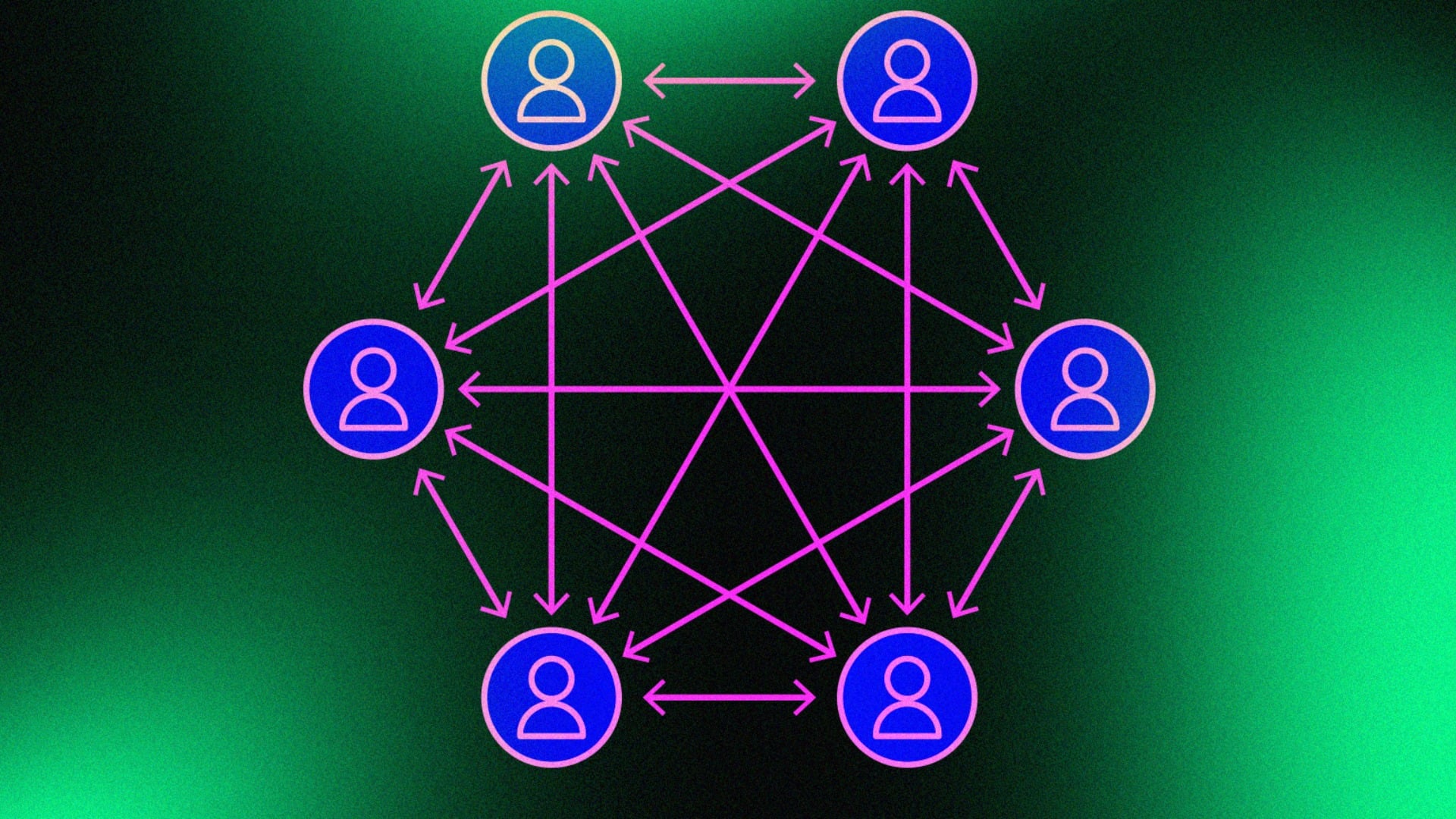
Pluralistic Rewards: Farcaster uses diverse systems like platform-native rewards, third-party tokens, and peer-to-peer tipping to boost participation and align incentives with social value.
-
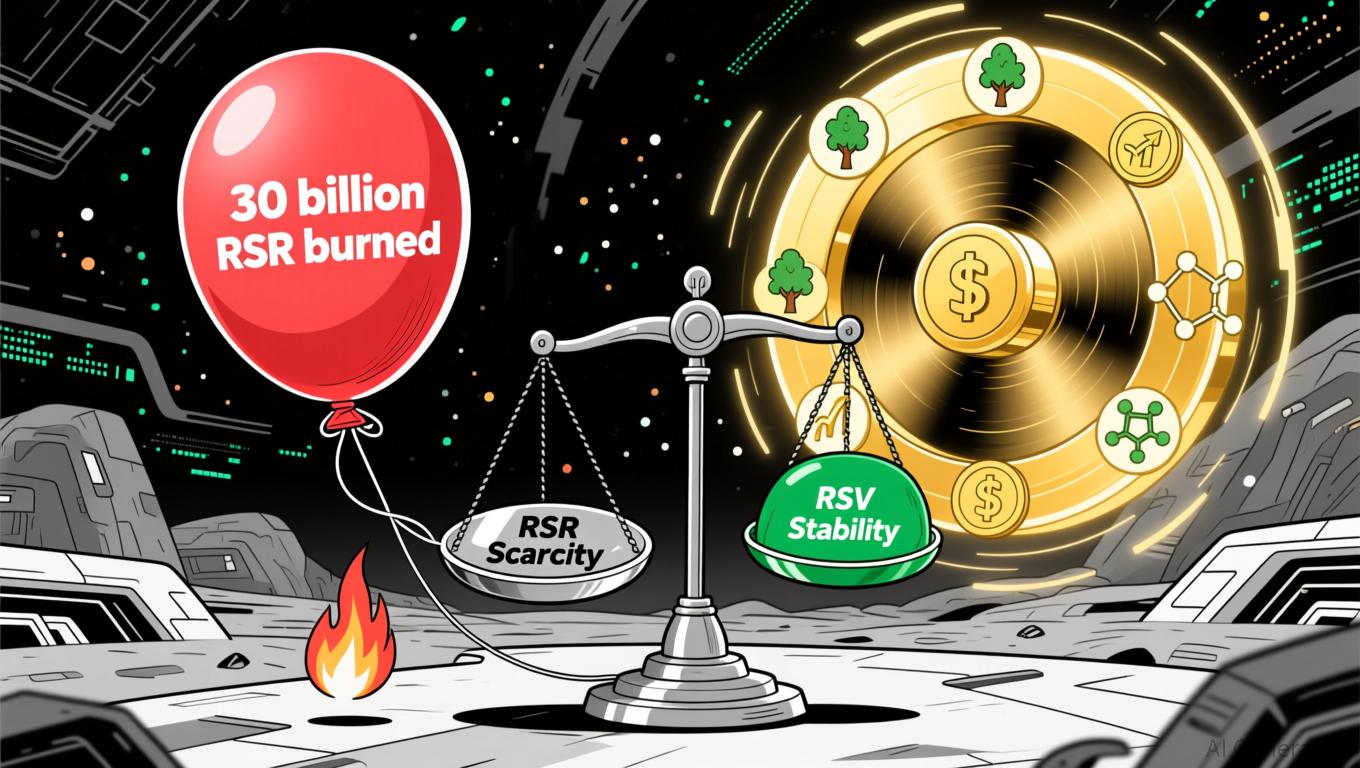
Deflationary Burns: Token burns reduce supply, fostering scarcity and value stability to support long-term holder retention in social graphs.
-
Governance Participation: Token holders engage in community-driven decisions, building ownership and loyalty as seen in leading Web3 social projects.
-
Real-World Utilities: Tokens grant access to exclusive content, payments, and services, extending value beyond speculation in social networks.
-
Aligned Behavioral Incentives: Rewards tied to engagement, holding periods, and contributions prevent dumping and drive sustainable growth.
Yet, success demands precision. Poorly designed emissions flood the market, eroding value; overly restrictive vesting stifles adoption. The sweet spot? Dynamic supply models that reward early adopters while scaling with genuine engagement.
Pluralistic Incentives: Fueling Authentic Engagement
Farcaster’s playbook offers a masterclass in pluralistic incentive mechanisms, blending platform-native rewards, third-party tokens, and peer-to-peer tipping. This diversity prevents monoculture pitfalls, where one reward type dominates and distorts behavior. Instead, it fosters a rich ecosystem mirroring real social dynamics – some chase high-volume tips, others stake for governance, creating stratified yet interconnected participation.
Recent analyses underscore how these models drive varying wealth distributions, with top earners often those bridging communities. For social network token optimization, this means engineering incentives that reward not just volume, but quality connections in the social graph. Platforms ignoring this risk speculative bubbles that burst upon reward exhaustion.
My view? Pluralism isn’t optional; it’s imperative for outgrowing pure speculation. By layering incentives – from staking yields to content-gated access – networks cultivate loyalty that speculation alone can’t buy.
Sustainable Models Beyond the Hype Cycle
Speculation ignites growth, but sustainability cements it. The shift to models rewarding ecosystem health – governance votes, long-term holding, platform contributions – marks a maturation in web3 community growth tokens. Deflationary mechanisms, like token burns on transactions, introduce scarcity, countering inflationary pressures inherent in social network token optimization.
Take community-driven governance: token holders shape protocol upgrades, aligning development with user needs. This ownership illusion becomes reality, boosting retention as seen in reborn social token sectors. Coupled with real-world utility – exclusive events, premium analytics – tokens transcend trading chits into indispensable tools.
🐧 Introducing PengVibe
Your Farcaster identity, reimagined as a penguin.
PengVibe is an AI-powered NFT collection that generates unique penguin PFPs based on who you actually are onchain. Not random traits. Not generic mints. Your penguin is shaped by your casts, your engagement, your vibe.
How it works:
1. Neynar ingests your Farcaster cast history and social graph
2. Claude analyzes your onchain personality—what you talk about, how you engage, your interests and energy
3. Gemini generates a completely unique penguin PFP that reflects you
Every penguin is different because every caster is different. Endless trait combinations mean no two PengVibes will ever be the same.
3,333 supply. Once they’re gone, they’re gone.
Mint pricing:
– $3 in ETH
– $2.50 in $PENGVIBE
$PENGVIBE token: 0x9afeBdb3B503795475a0297a6B94f4BCA4369D29
The token runs on a Mint.club bonding curve with 50% staked, 80% of ETH revenue going to buybacks, and deflationary burn mechanics. Holding $PENGVIBE gets you discounted mints and aligns you with the project long-term.
Built on Base. Bootstrapped through Hunt Co-Op—builders backing builders.
Your data. Your penguin.
Ready to meet yours?
pengvibe.xyz
Behavior-aligned rewards seal the deal. Penalize dumping via lockups or cliffs; amplify loyalty with escalating yields for sustained engagement. In interconnected markets, these strategies dictate alpha, turning speculation-driven social graphs into enduring powerhouses.
Global trends in commodities and forex teach us that true alpha lies in anticipating supply-demand imbalances. Apply that to tokenomics social graphs: speculation creates demand spikes, but optimized supply – through burns and vesting – sustains them. Platforms mastering this balance, like those pioneering speculation driven tokenomics, don’t just ride waves; they engineer the currents.
Diagnosing and Refining the Economic Engine
Smart investors bypass price charts for the economic engine beneath. Diagnose yours in three steps: map incentives to behaviors, simulate network growth under stress, and audit supply dynamics against adoption curves. For web3 community growth tokens, this reveals if emissions fuel virality or dilution. Subsocial’s utility-focused tokens, for instance, tie value to graph expansion, rewarding curators who densify connections over mere posters.
Refinement demands iteration. Launch with high-emission airdrops to bootstrap liquidity, then taper via governance-approved schedules. Integrate deflationary burns on low-value transactions – spam posts or ghost follows – preserving scarcity for high-signal activity. This isn’t guesswork; it’s macro strategy, positioning tokens as hedges against social fragmentation in Web3’s decentralized sprawl.
Comparison of Tokenomics Models for Speculation-Driven Social Network Growth
| Model | Pros | Cons | Growth Impact on Social Graphs |
|---|---|---|---|
| Pluralistic (e.g., Farcaster) | • Diverse reward systems (platform-native, third-party tokens, P2P tipping) • Aligns incentives with authentic social value |
• Varying participation rates • Uneven wealth distribution |
Drives rapid speculation-led user engagement Enhances social graph density through value-aligned interactions 📈 |
| Sustainable (Staking & Governance) | • Rewards staking, governance voting, and platform engagement • Promotes steady, long-term community involvement |
• Slower initial hype compared to pure speculation • Requires ongoing user commitment |
Builds resilient social graphs with high retention Fosters loyal networks for sustainable expansion 🌱 |
| Deflationary (Burns) | • Reduces token supply for scarcity • Stabilizes or increases value for long-term holders |
• May discourage spending and transactions • Risk of over-deflation stifling activity |
Attracts speculators initially, supports value stability Enables mature social graph growth through holder loyalty 💎 |
Opinion: Most projects botch this by chasing short-term pumps. True optimization favors patient capital, where social network token optimization prioritizes LTV over TVL. Long-term holders, vested in governance, become evangelists, compounding network effects geometrically.
Prediction Markets and Forward-Looking Token Design
Speculation thrives on foresight. Embed prediction markets within social graphs, letting users wager tokens on connection outcomes – viral threads, influencer migrations, trend lifespans. This meta-layer turns passive scrollers into active forecasters, deepening engagement while generating protocol fees for burns. CyberConnect’s agnostic infrastructure sets the stage, but tokenomics elevates it to speculation gold.
Looking ahead, 2026 trends point to AI-augmented incentives: algorithms rewarding graph clusters with predictive power, or tokenized RWAs backing social yields. Yet, pitfalls loom – regulatory headwinds, sybil attacks eroding authenticity. Counter with KYC-gated premium tiers and quadratic funding for merit-based rewards. In my consulting for sovereign funds, I’ve seen how geopolitics sways forex; similarly, regulatory clarity will unlock billions in web3 community growth tokens.
Friend.tech (FRIEND) Price Prediction 2027-2032
Bull, Base, and Bear Case Scenarios with % Growth from 2026 Current Price ($0.85)
| Year | Minimum Price (Bear Case) | Average Price (Base Case) | Maximum Price (Bull Case) | Base Case % Growth from 2026 |
|---|---|---|---|---|
| 2027 | $0.35 | $1.50 | $4.50 | +76% |
| 2028 | $0.65 | $2.80 | $8.50 | +229% |
| 2029 | $1.10 | $5.00 | $15.00 | +488% |
| 2030 | $1.80 | $9.00 | $25.00 | +959% |
| 2031 | $3.00 | $15.00 | $40.00 | +1,667% |
| 2032 | $4.50 | $25.00 | $70.00 | +2,847% |
Price Prediction Summary
Friend.tech (FRIEND) shows strong potential for growth through optimized tokenomics emphasizing speculation-driven social network expansion. Base case forecasts a 29x increase by 2032 amid Web3 adoption, with bear case reflecting market corrections and bull case capturing mass network effects and utility gains.
Key Factors Affecting Friend.tech Price
- Pluralistic incentive mechanisms boosting engagement
- Sustainable reward models aligned with user behavior
- Community-driven governance fostering loyalty
- Deflationary token burns enhancing scarcity
- Real-world utility beyond speculation
- Web3 social graph adoption and network effects
- Favorable regulatory developments for social tokens
- Crypto market cycles and competition from Farcaster/CyberConnect
Disclaimer: Cryptocurrency price predictions are speculative and based on current market analysis.
Actual prices may vary significantly due to market volatility, regulatory changes, and other factors.
Always do your own research before making investment decisions.
These models aren’t theoretical. Platforms blending pluralistic incentives with deflationary pressures report 3x retention over pure speculative drops. Behavior-aligned rewards – tiered yields for hold duration, bonuses for cross-community bridges – cement loyalty, transforming users from extractors to builders.
Ultimately, speculation-driven social networks scale when tokenomics mirrors global supply chains: resilient, adaptive, interconnected. Prioritize authentic graph density over node count; reward quality speculation that uncovers hidden alphas. As macro forces converge – from tokenized assets to decentralized identities – optimized tokenomics won’t just grow networks; they’ll redefine social capital worldwide.