
Speculative social graphs: how AI agents rewrite human connection
A speculative social graph is not a static map of who knows whom. It is a dynamic model that explores how AI agents might alter, simulate, or replace those connections. Rather than just tracking existing ties, these designs ask what happens when algorithms curate or even fabricate social proximity. This approach treats the social graph as a laboratory for future scenarios, examining the tradeoffs between authentic interaction and engineered engagement.
Algorithmic curation of proximity
Current platforms already use graph analysis to suggest friends or groups, but speculative models take this further by predicting social value before a connection exists. Instead of relying on mutual friends, AI agents might link users based on complementary needs or shared behavioral patterns. This shifts the graph from a record of past interactions to a blueprint for future ones.
Simulated social agents
In this model, AI agents act as proxies, maintaining relationships on behalf of humans. These agents can engage in small talk, share content, or join communities, effectively expanding the graph with non-human nodes. The result is a hybrid network where humans interact with both other people and synthetic entities, blurring the line between genuine community and automated performance.
Community detection as a design tool
Speculative designers use community detection algorithms not just to analyze data, but to shape social structures. By identifying clusters that are tightly knit, they can design interventions that either strengthen those bonds or break them apart to introduce new perspectives. This turns the graph into a malleable structure, where the goal is not just connectivity, but the quality and direction of social influence.
Tradeoffs in speculative social graphs
When AI agents begin to mediate or generate social connections, the underlying graph structure shifts from static profiles to dynamic, predictive models. This shift introduces specific tradeoffs that determine whether these systems deepen genuine human connection or merely optimize for engagement metrics.
The following comparison breaks down the concrete factors readers should evaluate when assessing speculative social graphs. Understanding these distinctions helps clarify how AI-driven networks differ from traditional platform architectures.
| Factor | Traditional Social Graph | Speculative AI Graph |
|---|---|---|
| Node Definition | Users and static profiles | Agents, intents, and behavioral patterns |
| Connection Logic | Explicit follows and likes | Predictive matching and inferred affinity |
| Community Structure | Visible friend circles and groups | Dynamic clusters based on shared goals |
| Data Privacy | User-controlled visibility settings | Inferred data that may exceed user input |
| Primary Goal | Social validation and broadcasting | Task completion and context-aware support |
Traditional social graphs rely on explicit actions—clicking "follow" or sending a message—to define relationships. These structures are transparent but often fragmented. Speculative social graphs, by contrast, use AI to infer connections based on behavior, preferences, and goals. This allows for more fluid community discovery but raises questions about data inference and consent.
The core tension lies in visibility versus utility. Traditional networks prioritize showing who you know. Speculative networks prioritize what you can achieve with those connections. As AI agents take on more social roles, evaluating these tradeoffs becomes essential for maintaining agency in digital spaces.
How to Choose the Next Step for Your Social Graph
AI agents are no longer just tools; they are becoming the architects of your social graph. When platforms automate connection discovery, the human role shifts from builder to curator. You must decide which layer of your digital network requires immediate intervention before the algorithm locks in a default pattern.
This decision framework helps you plan around the shift from passive participation to active design. Use these steps to audit your current exposure and select the right strategy for your specific goals.
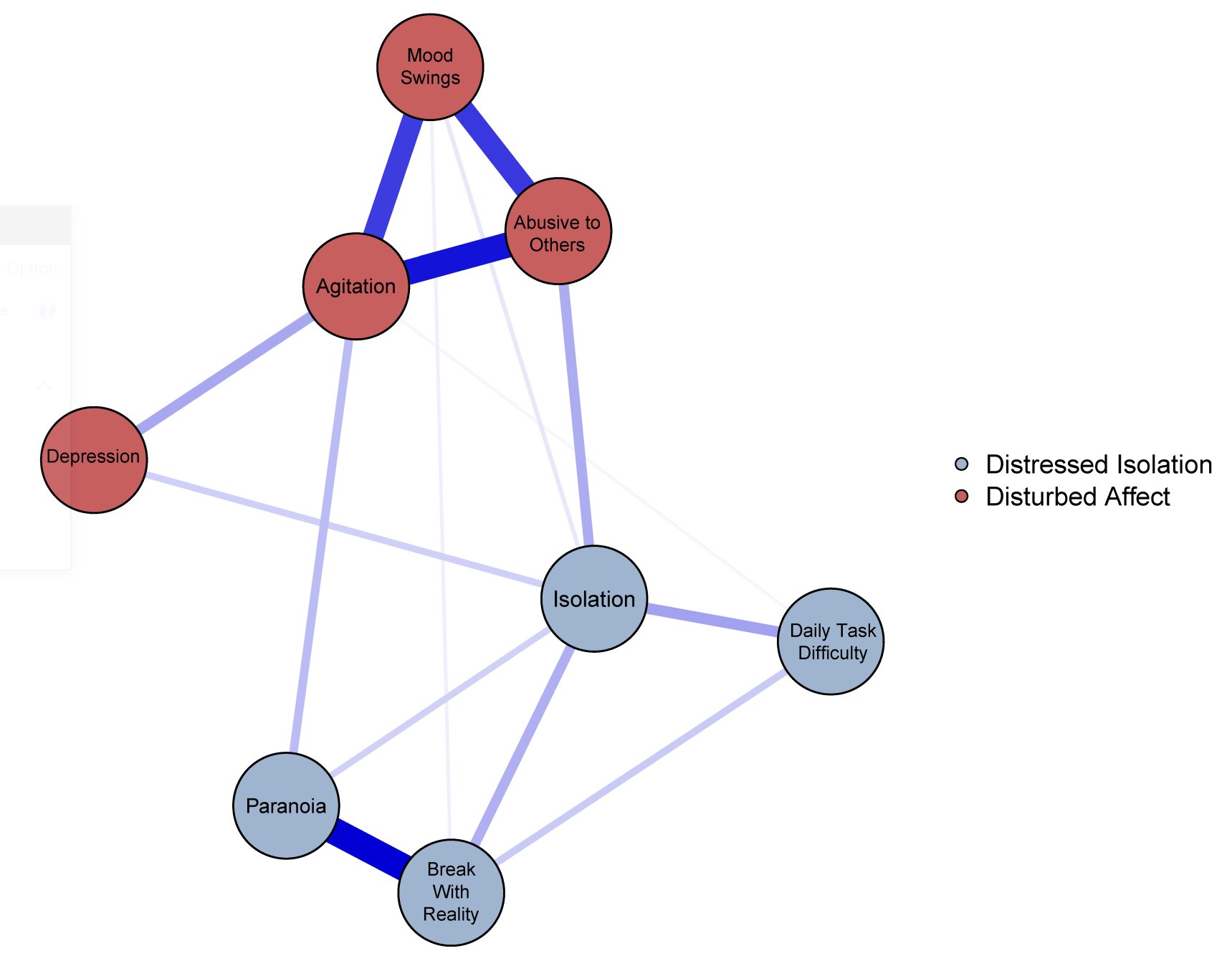
Start by mapping who actually interacts with you versus who you follow. AI thrives on dense, predictable clusters. If your graph is highly centralized around one platform or a few influencers, you are vulnerable to algorithmic echo chambers. Look for "community detection" patterns—groups of nodes that are more closely connected to each other than to the rest of the network. If your connections are siloed, you need a diversification strategy, not just more followers.
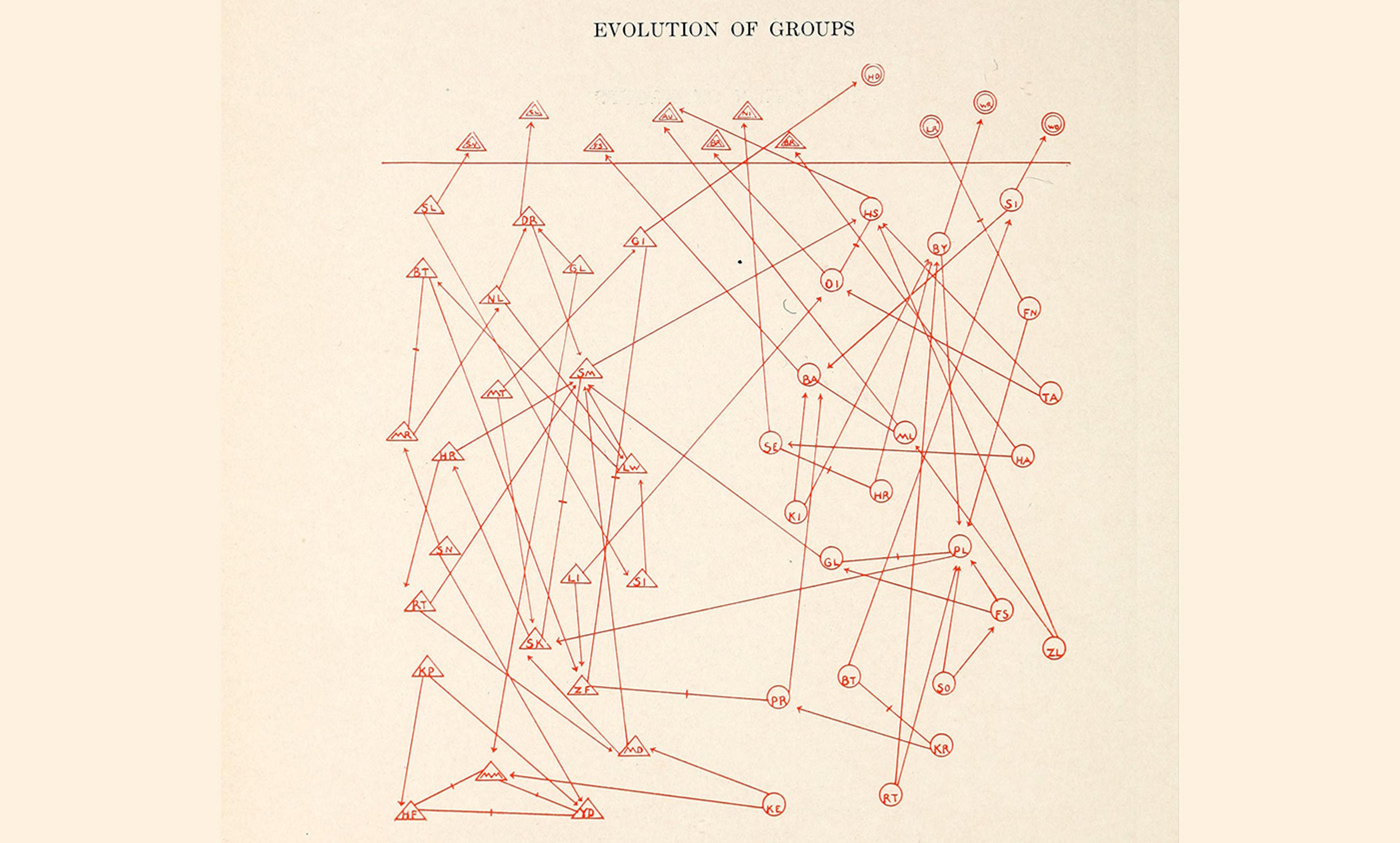
Speculative design asks "what if?" regarding future social scenarios. Before integrating new AI agents, define what kind of social experience you want to foster. Do you want to explore radical new community structures, or do you want to preserve existing intimate circles? This step prevents you from adopting technology that optimizes for engagement metrics at the expense of meaningful connection. Treat your social graph as a prototype for the future you want to inhabit.
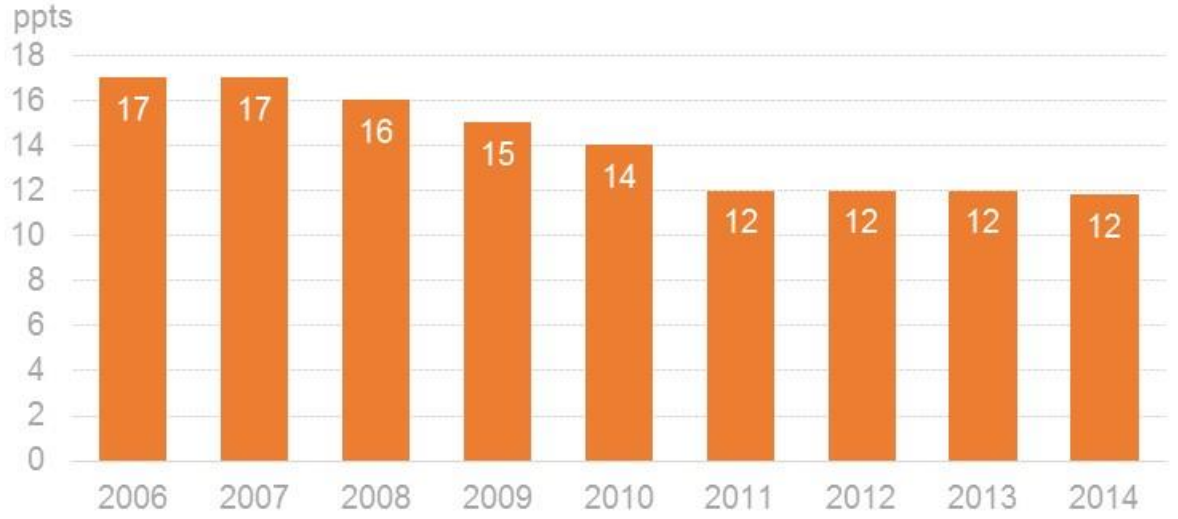
Not all AI agents are built the same. Some are designed for growth and speculation, aiming to expand your network size. Others are built for curation and depth. When choosing an agent, ensure its speculative activity complements your social experience rather than replacing it. An agent that focuses on speculative growth might help you discover new communities, but it should not automate away the nuance of human relationship building.
The crisis in social graphs is not just about data privacy; it is about agency. By following this framework, you move from being a passive node in an algorithmic network to an active designer of your own digital social life.
Spotting the Weak Links
The promise of AI agents reshaping our social graph often hides three common pitfalls. Before trusting these new tools, check for these specific failure modes.
1. Confusing speculation with design
Speculative design uses "what if" scenarios to critique the future, not to build functional products. When AI agents treat social connections as mere data points for prediction, they strip away the context that makes relationships meaningful. This creates a hollow version of connection that looks efficient but feels empty.
2. Ignoring the graph’s structure
A social graph maps "who knows who." Weak AI implementations often ignore the structural clusters within this network. They fail to recognize that communities form dense webs of trust. Treating every user as an isolated node leads to recommendations that break existing social bonds rather than strengthening them.
3. Prioritizing speculation over utility
Some platforms use speculative features to drive growth, turning social interaction into a game of prediction. This shifts the focus from genuine connection to financial or status-based speculation. If the primary value is betting on someone’s future popularity, the social graph becomes a casino, not a community.
No comments yet. Be the first to share your thoughts!