
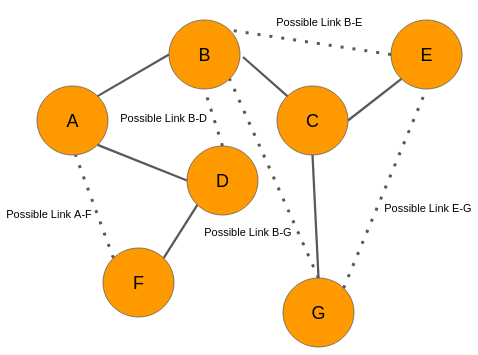
Defining the 2026 social graph shift
The architecture of digital connection is undergoing a structural pivot in 2026. The traditional social graph, which prioritized content distribution based on established relationships and social proximity, is being superseded by the interest graph. This shift moves the primary mechanism of content discovery away from "who you know" toward "what you care about."
In this new paradigm, algorithms no longer rely primarily on friend networks to determine visibility. Instead, they map user behavior against specific topics, hobbies, and intent signals. This change has significant implications for content creators and marketers, who must now optimize for relevance and alignment with niche interests rather than merely cultivating a broad network of connections.
While social connections remain relevant for private communities and direct messaging, the public-facing distribution layer is increasingly driven by interest-based curation. This transition reflects a broader industry move toward personalized, intent-driven experiences that prioritize engagement over social obligation.
AI influence networks and content discovery
The architecture of social media is undergoing a structural shift from explicit connections to predicted interests. In 2026, algorithms prioritize "viral prediction" loops, curating content based on engagement probability rather than the user's social graph. This transition moves platforms away from mapping who you know toward mapping what you are likely to consume, creating influence networks that operate independently of traditional friendship ties.
This mechanism functions less like a phone book and more like a predictive engine. Instead of showing posts from friends, AI models analyze behavioral signals to predict which content will generate the highest interaction. The result is an "interest graph" that fragments the digital public sphere, as users are no longer exposed to the diverse viewpoints of their actual network but are instead funneled into hyper-specific content silos.
The implications for regulatory frameworks are significant. When influence is determined by algorithmic prediction rather than social proximity, accountability for misinformation and harmful content becomes diffuse. Platforms are no longer just hosting conversations; they are actively manufacturing engagement trajectories, raising questions about liability when the algorithm’s prediction of virality amplifies unverified or dangerous material.
Industry analysis suggests this shift is accelerating, with platforms increasingly relying on AI to drive discovery over search. As noted in recent trend reports, the primacy of community is giving way to algorithmic curation, fundamentally altering how users traverse the digital landscape and challenging existing legal paradigms for platform responsibility.
Private communities replace public feeds
The public social feed is retreating. Users are increasingly migrating from open, algorithm-driven timelines to private, closed-group environments like Discord servers and iMessage threads. This shift marks a structural change in the social graph: the network is no longer defined by broad public visibility but by tight, interest-based clusters.
Industry speculation suggests that while the "social graph" (connections based on identity) will not disappear, it will shrink into these private communities. This model prioritizes depth over breadth. Users seek authenticity and control over their digital footprint, moving away from the performative nature of public posts that are subject to algorithmic speculation and public scrutiny.
This migration reflects a broader backlash against AI-generated content and the noise of the public sphere. As noted in recent industry analysis, the trend is defined by a shift from virality to community. Users are less interested in being seen by everyone and more interested in being heard by the right people. This creates a fragmented digital landscape where influence is concentrated in small, trusted circles rather than distributed across open platforms.
The legal and regulatory implications are significant. Private platforms operate under different norms and less public oversight. As the social graph fragments, the data trails that regulators and researchers rely on become harder to track. The focus shifts from public metrics to private engagement, making it difficult to measure the true impact of digital trends or hold platforms accountable for content moderation in these walled gardens.
Social commerce integration in 2026
The architecture of online discovery is shifting from who you know to what you are curious about. This transition from social graphs to interest graphs is not merely aesthetic; it fundamentally alters the mechanics of digital retail. As algorithms prioritize thematic alignment over relational proximity, the friction between content consumption and transactional behavior dissolves.
Interest graphs drive sales by matching products with specific, high-intent user behaviors rather than passive social exposure. Viral networks amplify these matches, turning niche interests into immediate purchasing opportunities. When a user encounters a product within a context that aligns with their current curiosity, the decision to buy becomes a natural extension of the engagement rather than a separate interruption.
This integration is quantifiable. Social commerce sales are projected to account for 8.9% of total United States ecommerce sales in 2026, a figure expected to exceed 10% by 2027. This growth reflects a structural shift where platforms function not just as communication channels, but as primary discovery engines for commerce.
The regulatory implications are significant. When commerce is embedded seamlessly into interest-driven feeds, the lines between editorial content, advertising, and organic recommendation blur. This raises complex questions about consumer protection and transparency, as the algorithmic curation of products becomes indistinguishable from the curation of social information.
No comments yet. Be the first to share your thoughts!