
Where proof lives now
For years, online trust was measured by volume. A high follower count or a viral post served as the primary signal of credibility, operating on the assumption that popularity equated to authority. This metric-driven approach created a fragile ecosystem where influence was often decoupled from expertise, leaving users to navigate a landscape filled with noise rather than signal.
That era is ending. As we move through 2026, the focus has shifted from how many people see your content to how those people verify it. The conversation is no longer about reach; it is about the provenance of information. We are seeing a transition where verifiable proof, rather than aggregated engagement, determines what holds weight in the social graph.
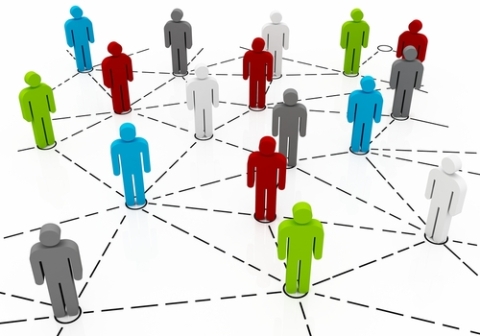
This shift is driven by the convergence of AI and decentralized identity. AI tools now aggregate disparate data points to validate claims, while new protocols allow individuals to carry their reputation across platforms without relying on a single corporate gatekeeper. As FleishmanHillard noted in their 2026 predictions, the year is defined by "where your proof lives" and how other voices validate it FleishmanHillard.
The result is a more resilient, albeit more complex, social graph. Trust is no longer given; it is earned through transparent, verifiable interactions. This change forces a reevaluation of how we construct our online identities, prioritizing accuracy and accountability over mere visibility.
How AI Aggregation Changes Visibility
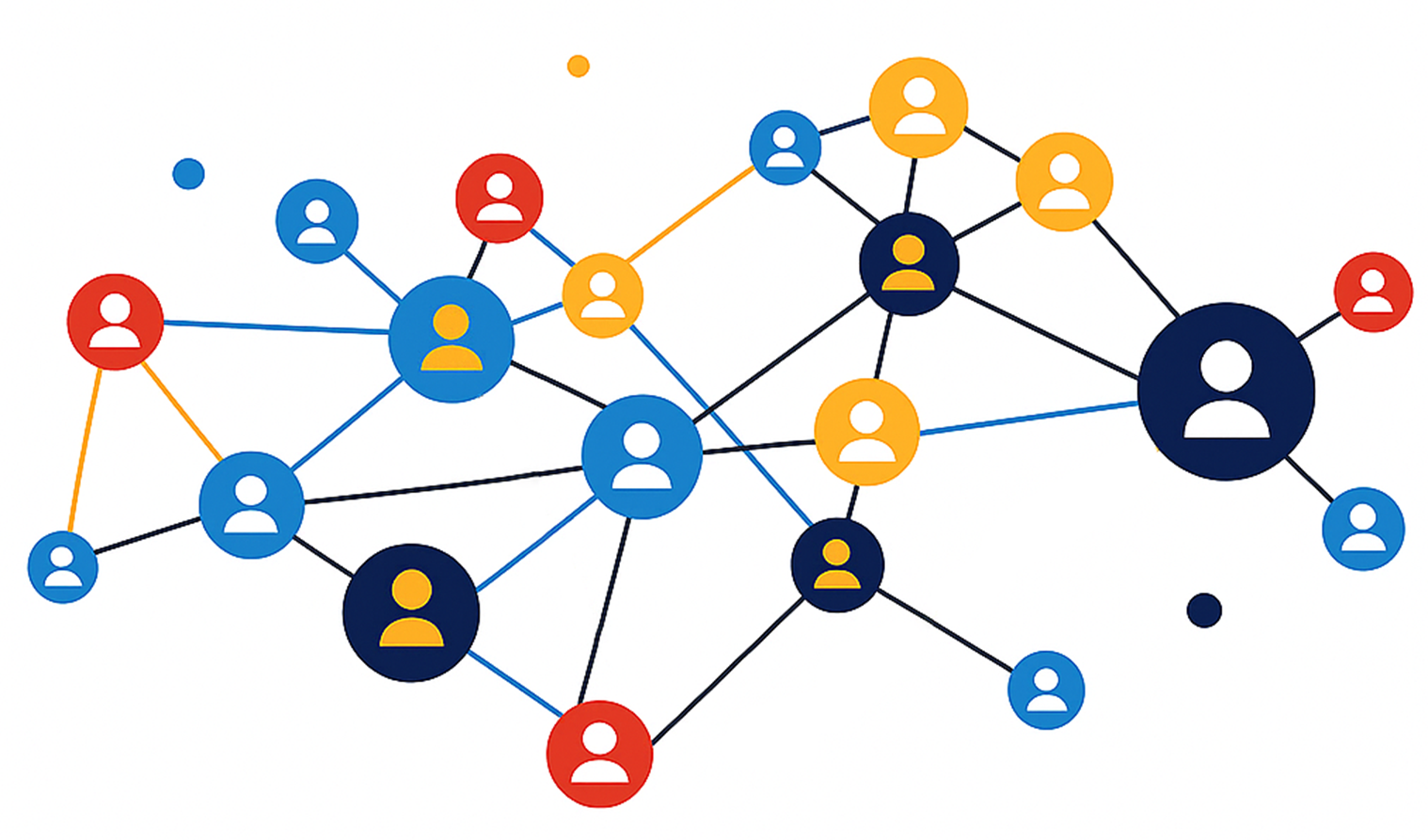
AI agents are no longer just searching the web; they are aggregating data about users, fundamentally altering how social graphs are constructed and perceived. In 2026, the social graph is shifting from a static map of who you know to a dynamic reflection of what AI systems infer about you. This shift changes visibility, as algorithms now prioritize content validated by aggregated proof points rather than simple follower counts.
As FleishmanHillard notes, the focus is moving toward "where your proof lives" and how AI aggregates data about you to validate influence. This means that trust is no longer just interpersonal; it is algorithmically mediated. An agent might aggregate your past interactions, endorsements, and content quality to determine your credibility score, effectively reshaping your social graph in real-time.
This aggregation creates new speculation about privacy and control. If an AI can reconstruct your social standing from disparate data points, the traditional boundaries of online identity blur. Users may find their visibility determined not by their own posts, but by how accurately AI can aggregate and verify their digital footprint across platforms.
The rise of offline bragging
As AI-generated content floods feeds, a new form of social signaling is emerging: the deliberate display of disconnection. By 2026, authenticity will no longer be proven by high-resolution posts, but by the absence of them. Users are beginning to treat being offline as a status symbol, a tangible proof of life that algorithms cannot fabricate.
This trend flips the traditional social media model. Instead of curating a perfect digital existence, individuals will signal trustworthiness by showing they are present in the physical world. It is a counter-movement where the lack of a photo becomes the ultimate credential, suggesting that the person is too busy living to document it.
The visual language of this shift is already visible. Posts featuring blurry, low-quality images of real-world moments—rather than polished studio shots—gain traction as evidence of genuine experience. This "bad production value" serves as a trust marker, distinguishing human spontaneity from AI precision.
Decentralized identity trends
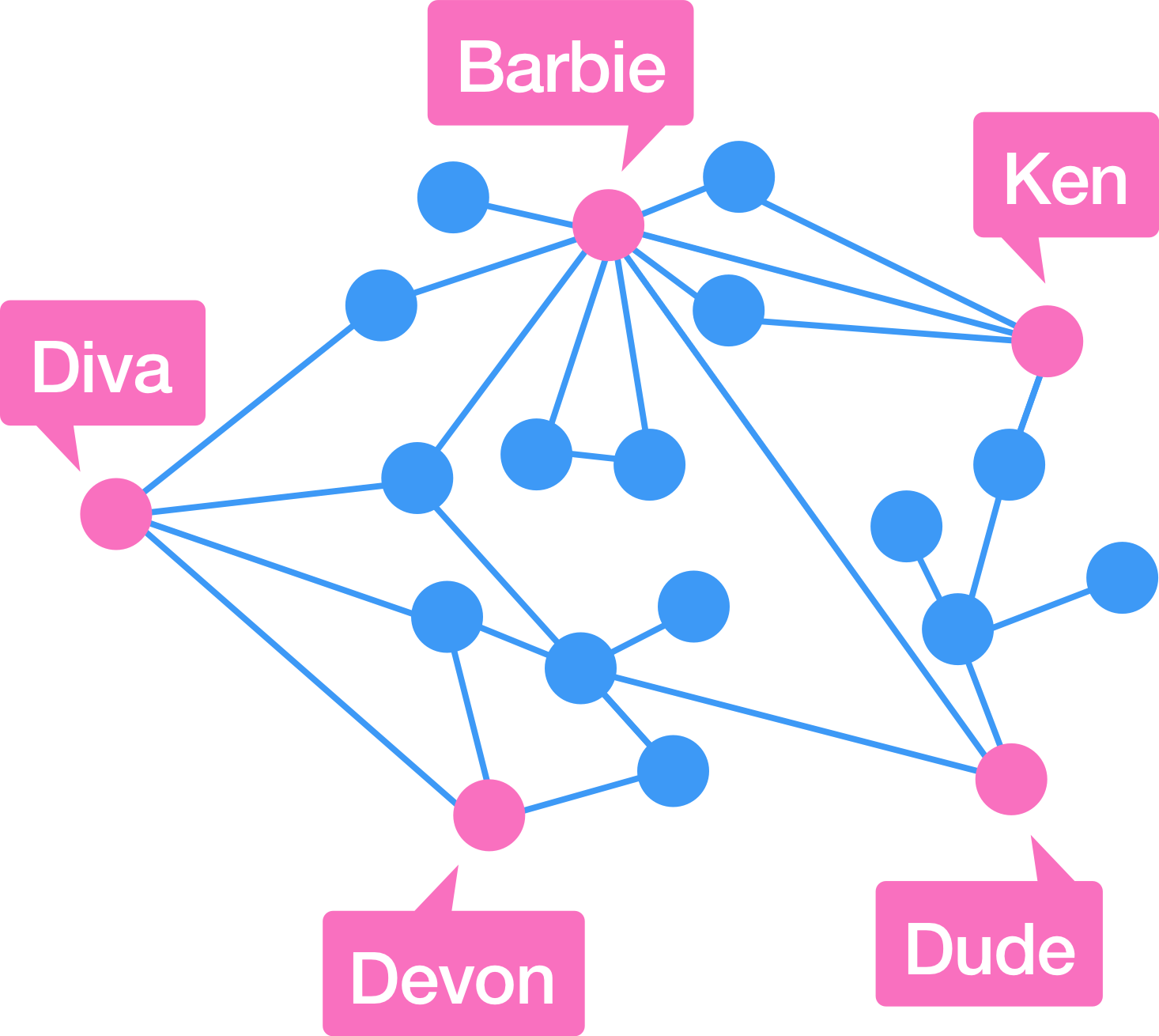
The architecture of online trust is shifting from platform-owned profiles to user-controlled credentials. In 2026, decentralized identifiers (DIDs) form the backbone of this speculation, allowing individuals to own their social graph data rather than renting it from a central server. This technical shift moves identity verification away from opaque corporate algorithms and toward transparent, cryptographic proofs.
Decentralized identifiers are unique, persistent strings that you control, not a social media handle tied to a specific app. They enable you to prove attributes—like age, location, or professional certification—without revealing unnecessary personal details. This granular control reduces the risk of mass data breaches and identity theft, which are primary concerns in the current centralized model.
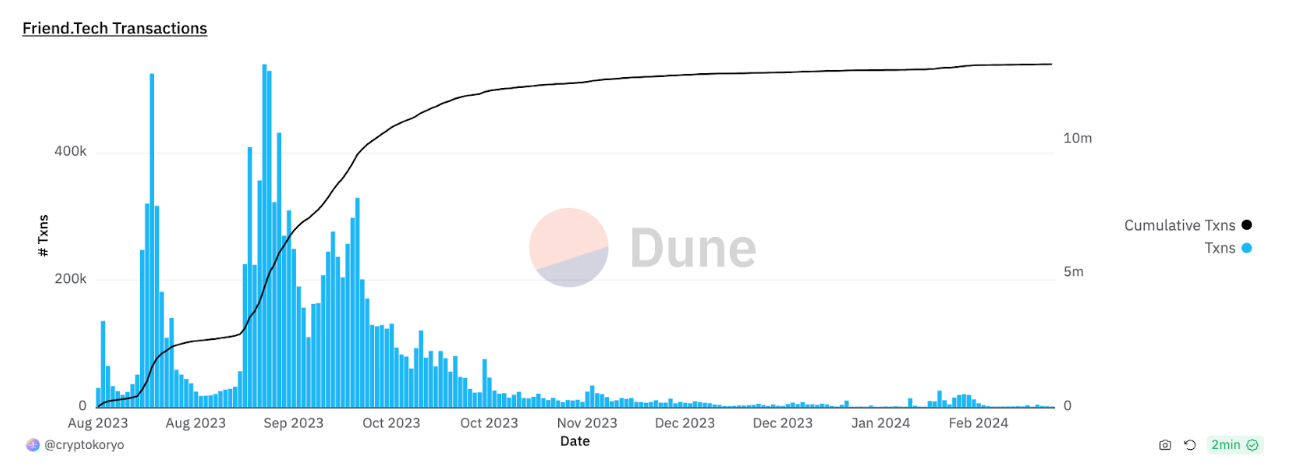
As these standards mature, the social graph becomes portable. You can move your verified reputation and connections between different platforms without starting from zero. This portability forces platforms to compete on service quality rather than data hoarding, creating a more resilient and user-centric digital ecosystem.
Key trends in decentralized identity
- Self-sovereign identity (SSI): Users hold their own credentials in digital wallets, eliminating the need for third-party identity providers to verify every interaction.
- Verifiable Credentials (VCs): Cryptographically signed documents that prove specific facts, such as a degree or membership, which can be shared selectively with different services.
- Interoperability Standards: The W3C DID standard ensures that identifiers work across different blockchains and applications, preventing vendor lock-in.
- Privacy-Preserving Proofs: Zero-knowledge proofs allow users to verify information (e.g., "over 18") without disclosing the underlying data (e.g., exact birth date).
Why this matters for social graph speculation
The move toward decentralized identity changes how we speculate on the future of social media. Instead of betting on which platform will dominate user attention, investors and developers are focusing on the infrastructure that allows users to own their data. This shift prioritizes long-term value creation through user trust and data portability over short-term engagement metrics.
What is a decentralized identifier (DID)?
A DID is a unique identifier that you control, stored on a decentralized network, allowing you to authenticate yourself without relying on a central authority.
How does DID improve privacy?
DIDs enable selective disclosure, meaning you can prove you meet certain criteria without sharing your entire identity history or personal details.
Will DIDs replace social media profiles?
Not immediately. DIDs will likely sit underneath current profiles, providing a layer of verified, portable identity that enhances trust and security.
Are DIDs secure?
Yes, because they use cryptographic keys. As long as you protect your private keys, your identity cannot be forged or hijacked by attackers.
Navigating AI-Generated Uncertainty
The rise of synthetic media has introduced a new variable into social networking: the inability to verify authenticity at a glance. As AI-generated text, images, and video become indistinguishable from human creation, the default assumption of truth is eroding. Users are no longer just consuming content; they are actively auditing it.
This skepticism is reshaping how people curate their social graphs. The strategy is shifting from passive scrolling to active verification. Users are increasingly unfollowing or muting accounts that cannot provide clear provenance for their posts. The goal is not to eliminate AI, but to filter out noise that lacks a verifiable source.
Reddit discussions on 2026 social media trends highlight this behavioral shift, with many users predicting a gradual exodus from platforms where authenticity cannot be confirmed. The social cost of sharing unverified AI content is rising, forcing creators and influencers to adopt more transparent practices to maintain their audience's trust.
Rather than relying on platform algorithms to flag deepfakes, individuals are turning to their immediate networks for validation. A post shared by a trusted friend carries more weight than a viral post from a large, unverified account. This decentralization of trust is a direct response to the uncertainty created by generative AI.
Frequently asked: what to check next
Is follower count still a key metric in 2026?
No. Industry experts predict that follower counts will no longer serve as a primary measure of influence or trust. Brands and users are shifting toward engagement quality and community size over raw numbers.
How will AI change how we trust social connections?
AI-driven verification and content labeling will become standard. Users will rely on algorithmic transparency to distinguish between authentic human interactions and synthetic or automated content.
Will people post less in 2026?
Yes. A growing trend suggests users will brag about being offline. The value of attention shifts from constant visibility to curated, meaningful moments, reducing the pressure for daily posting.
What role does data privacy play in the social graph?
Privacy becomes a trust anchor. Users are more likely to engage with platforms that offer clear, transparent control over their data, making privacy policies a central part of the social graph's reputation.
No comments yet. Be the first to share your thoughts!