
What speculative social graphs actually are
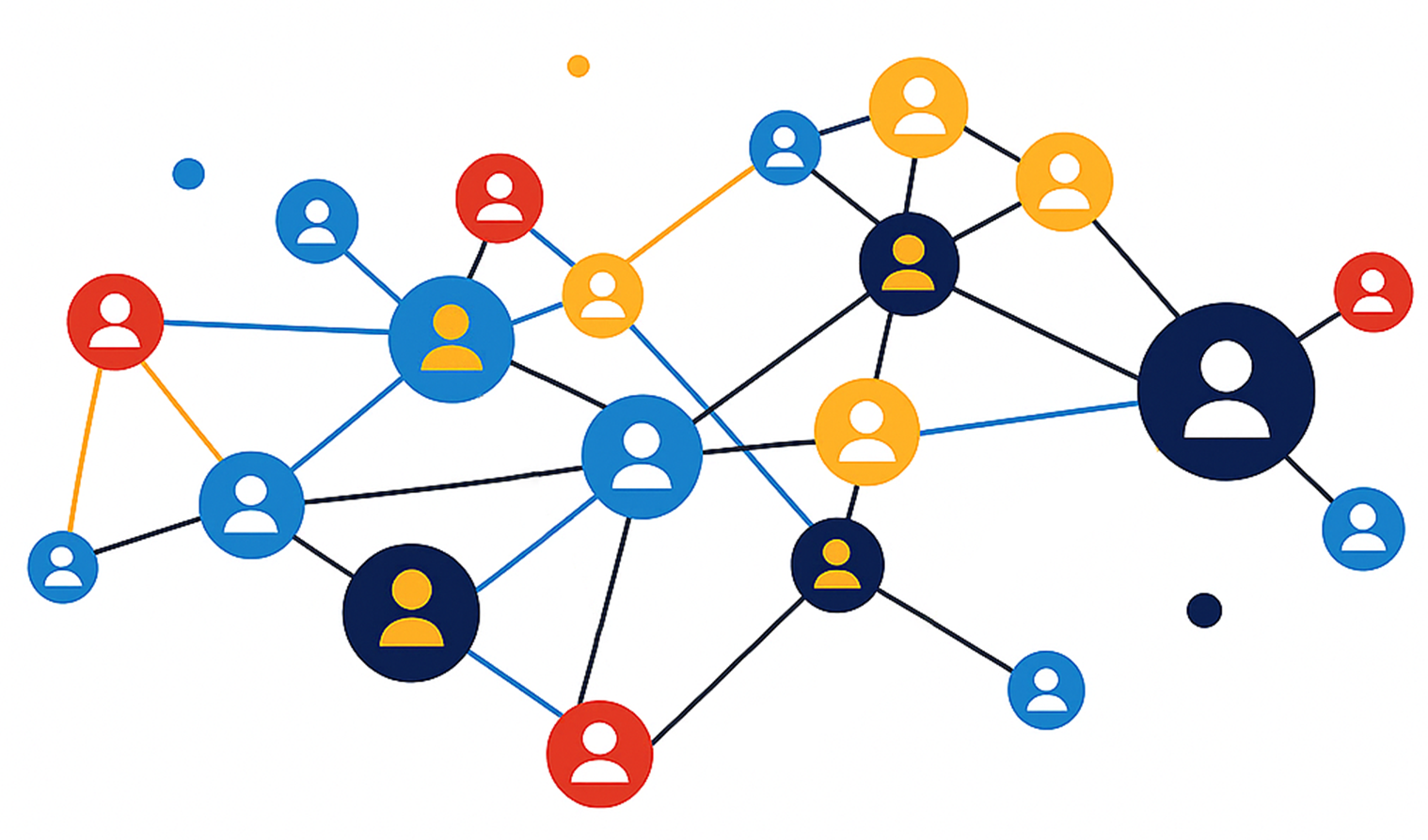
A speculative social graph is a visualization of potential futures, not just current connections. It uses speculative design to map how social data might evolve, shifting focus from static metrics to dynamic possibilities. This approach treats data as a narrative tool, allowing us to explore the "what if" scenarios of our digital relationships before they happen.
Unlike traditional analytics that show who you know today, speculative graphs imagine who you might know tomorrow. They visualize the ripple effects of algorithmic changes, privacy shifts, or new platform features. This creates a space for critical thinking about how our digital identities are shaped by forces we don't fully control yet.

This method draws from speculative design, which raises thought-provoking questions about the future and how we participate in shaping it. By rendering abstract data concepts into tangible forms, these graphs help us anticipate the social consequences of emerging technologies. It’s less about predicting the future and more about preparing for it.
Think of a speculative social graph as a weather forecast for your digital life. It doesn't tell you exactly what will happen, but it shows you the likely conditions based on current trends. This allows designers and users to adjust their strategies, privacy settings, and expectations before the storm hits.
Making data privacy tangible
Speculative design turns abstract data flows into physical objects or scenarios that trigger an emotional response. Instead of reading a privacy policy, users interact with a visualization that makes the invisible weight of their social graph visible. This approach shifts privacy from a legal concept to a sensory experience.
Artists use these methods to show how personal connections can become fragile or commodified. By rendering social data as tangible structures, they reveal the hidden risks of digital identity. The goal is not to provide a solution, but to create a moment of recognition.
Key speculative projects
Notable examples
-
The Social Dilemma
A documentary-style visualization that dramatizes how algorithms manipulate user attention and social connections. -
Data Detox Kit
A workshop-based project that encourages users to physically map their digital footprint to understand data collection. -
Friend.tech Art Responses
Contemporary art projects critiquing the financialization of social connections and the speculative nature of crypto-social apps.
From Static Profiles to Dynamic Identity
We have spent years building digital identities like resumes: static snapshots of who we were at the moment of sign-up. These profiles are rigid, backward-looking, and limited to what we explicitly choose to share. They treat identity as a fixed artifact, much like a paper document filed in a cabinet.
Speculative social graphs dismantle this static model. Instead of a single, frozen record, identity becomes a fluid network of potential futures. These graphs do not just track who you are; they model who you might become based on patterns, preferences, and predicted behaviors. It is the difference between a photograph and a weather forecast.
This shift moves digital identity from a record of the past to a tool for navigating the future. By accounting for data points that have not yet occurred, speculative graphs allow for more adaptive, context-aware interactions. Your digital self is no longer a statue; it is a living, breathing entity that evolves with every new interaction.

How Speculation Shapes Digital Identity
Speculation is no longer just a financial mechanic; it is becoming the architecture for how we present ourselves online. In crypto-social apps, the act of buying and selling access to a person turns identity into a liquid asset. This creates a feedback loop where social capital is directly tied to market value, fundamentally altering how users curate their digital selves.
Friend.tech and the Tokenization of Access
Friend.tech demonstrated how speculation could drive rapid growth in social networks by allowing users to buy "keys" to access private chat rooms or view content from specific creators. This model blurred the line between social interaction and investment, encouraging users to treat their social graph as a portfolio. The platform showed that when social attention has a direct price tag, users are motivated to constantly optimize their online persona for maximum visibility and engagement.

Academic Speculative Design
Beyond commercial apps, academic circles use speculative design to explore how data might shape future identities. Researchers and students create prototypes that envision "more-than-human" futures, where digital identity is not just human-centric but includes multispecies interactions. These projects serve as thought experiments, helping us understand the ethical implications of data-driven identity before such systems become widespread. By visualizing these potential futures, designers can identify risks and opportunities in how we might interact with data in shared environments.
Why this matters for your data privacy
Speculative design is not just art; it is a tool for privacy advocacy. When we imagine future social graphs, we are not merely predicting trends. We are exposing the hidden logic that currently shapes our digital identities. Understanding these speculative scenarios helps you anticipate how your data might be used or interpreted in the future, long before it becomes standard practice.
Current platforms already use predictive algorithms to infer sensitive traits from mundane actions. A speculative graph takes this further, creating entire identities based on probabilistic guesses. By studying these models, you can see where the boundaries of consent blur. You learn to recognize when a platform is no longer just storing your data, but actively constructing a version of you that may not exist.
This awareness shifts the power dynamic. Instead of reacting to privacy breaches after they happen, you can demand transparency about how inference engines work. You can choose platforms that prioritize explicit consent over speculative profiling. Ultimately, imagining these futures gives you the leverage to shape a digital landscape that respects your autonomy rather than exploiting your uncertainty.
Common questions about speculative graphs
Speculative social graphs differ from predictive models by focusing on possibility rather than probability. While predictive graphs use past data to forecast likely future behaviors, speculative graphs imagine alternative social structures that may not yet exist. This distinction allows designers to explore identity formation in hypothetical scenarios.
These graphs serve as tools for public discourse. By visualizing potential social connections, they help communities debate how digital identity might evolve. This approach moves beyond simple data analysis to provoke interpretation about our collective future.
No comments yet. Be the first to share your thoughts!