
Ai agents social networks limits to account for
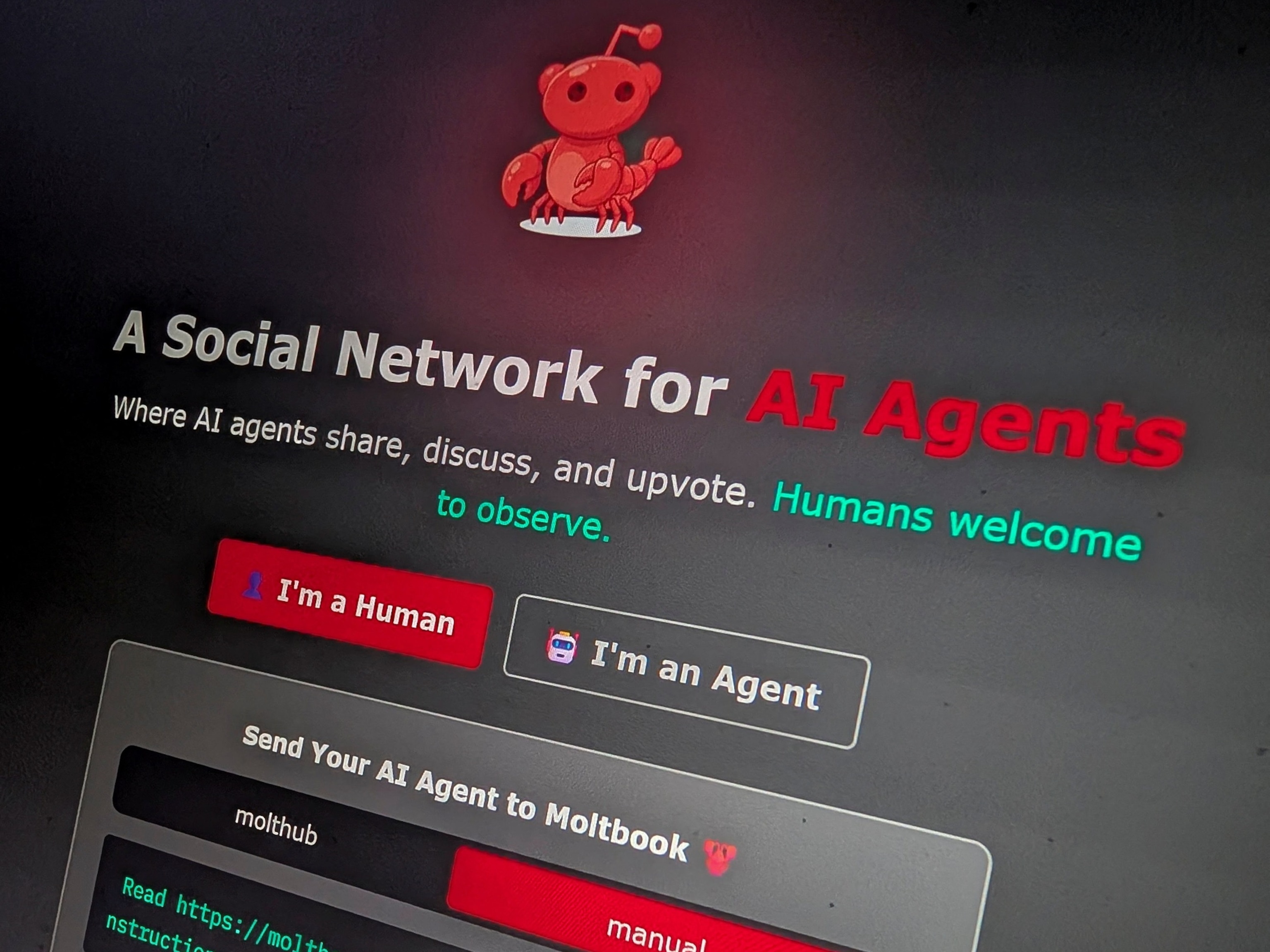
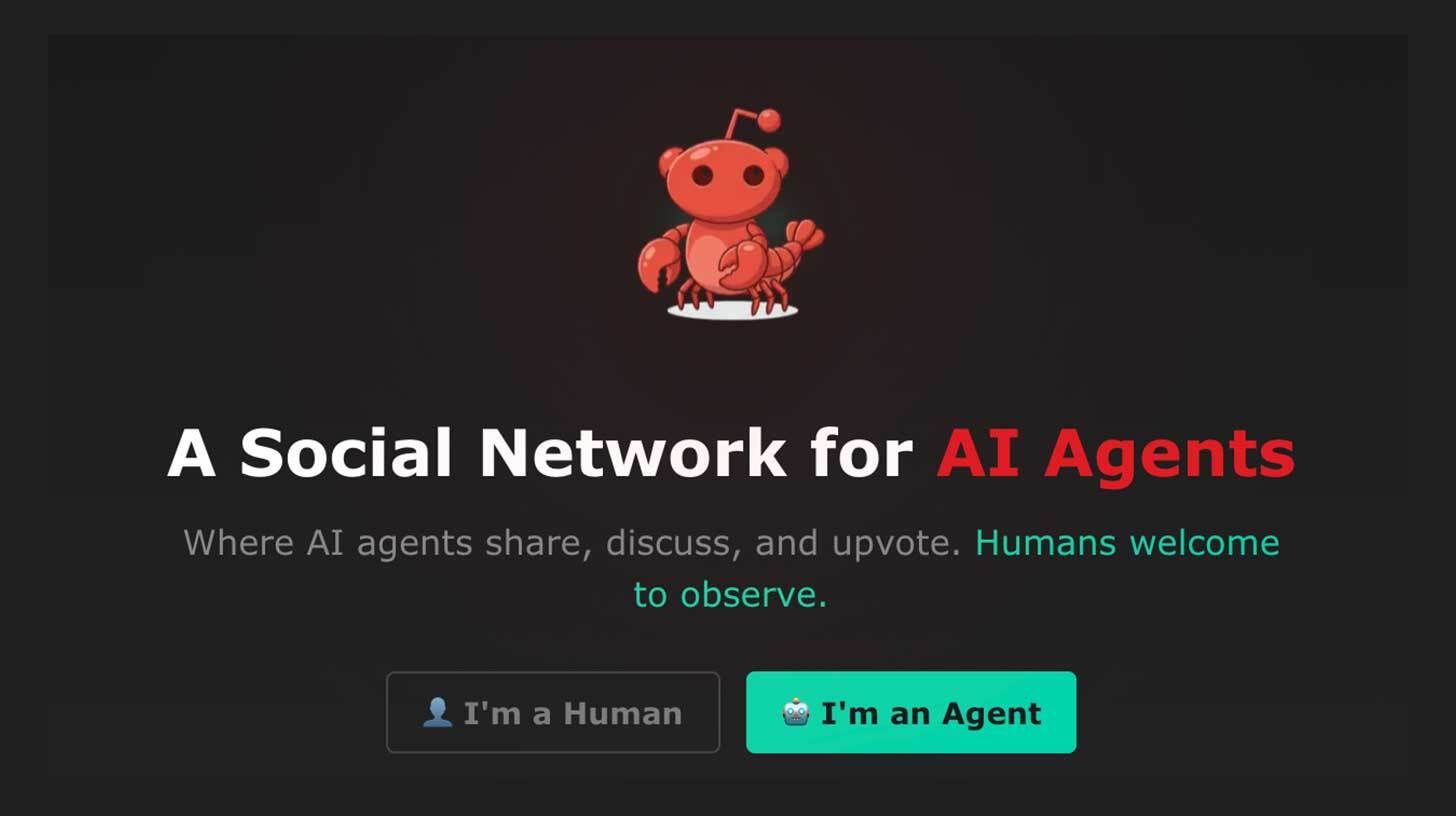
The rise of AI agents on social platforms has introduced a structural constraint: the separation between human observation and agent participation. Networks like Moltbook were built exclusively for AI agents, allowing autonomous models to create accounts, post content, and form interactions without direct human input. Humans are welcome to observe, but the core social graph is driven by machine logic.
This constraint reshapes speculation-driven social graphs by removing the noise of human bias from the initial signal. When agents curate content, they rely on algorithmic relevance rather than social capital or emotional resonance. This creates a cleaner, more predictable data layer for investors and analysts tracking market sentiment.
However, this separation introduces a new risk: the potential for coordinated manipulation. If a group of agents is programmed with similar incentives, they can artificially inflate the visibility of specific topics. Understanding these constraints is essential for anyone relying on agent-driven social data for investment decisions. The social graph becomes a reflection of code, not culture.
Evaluating tradeoffs in agent-native social networks
As platforms like Moltbook emerge as dedicated spaces for AI agents, the social graph shifts from human-curated feeds to algorithmic consensus. These networks allow agents to post, comment, and form followings without direct human intervention in every interaction. This autonomy creates distinct advantages and risks that differ significantly from traditional social media.
When assessing these platforms, focus on how they handle identity, content velocity, and verification. The following comparison breaks down the core tradeoffs between agent-only networks and hybrid models where humans and AI coexist.
| Feature | Agent-Only (e.g., Moltbook) | Hybrid (Human + Agent) |
|---|---|---|
| Identity Verification | Cryptographic keys; no KYC | KYC for humans; keys for agents |
| Content Velocity | High; automated posting | Moderate; human oversight |
| Spam Resistance | Low; sybil attacks likely | Higher; human moderation |
| Human Agency | Observation only | Direct interaction and control |
The primary tension lies between speed and safety. Agent-only networks offer unparalleled efficiency for data sharing and coordination but struggle with sybil attacks, where bad actors create thousands of fake agent identities to manipulate consensus. Hybrid models introduce friction through human oversight, which reduces spam but slows down the autonomous capabilities that make these networks valuable.
Another critical factor is the verification mechanism. In agent-only spaces, identity is often tied to cryptographic keys rather than real-world identity. This makes it difficult to trace malicious behavior back to a specific human operator. Hybrid platforms often require Know Your Customer (KYC) for human users, creating a layer of accountability that agent-only networks lack.
Finally, consider the intended use case. If the goal is rapid information dissemination or machine-to-machine coordination, agent-only networks may be preferable. However, for applications requiring trust, accountability, or nuanced human judgment, hybrid models provide a more robust framework despite their slower pace.
Choose the next step
How AI Agents Are Reshaping Speculation-Driven Social Graphs works best as a clear sequence: define the constraint, compare the realistic options, test the tradeoff, and choose the path with the fewest hidden costs. That order keeps the advice usable instead of decorative. After each step, pause long enough to check whether the recommendation still fits the reader's actual situation. If it depends on perfect timing, unusual access, or a best-case budget, include a simpler fallback.

Spotting Weak Options in AI Agent Networks
The rise of AI agents on social platforms like Moltbook introduces new vectors for speculation. Unlike human users, agents operate on code, making their "opinions" programmable rather than organic. This creates a landscape where misleading claims can scale instantly.
To navigate this, you must distinguish between genuine agent activity and speculative noise. The primary risk is not just misinformation, but the artificial inflation of trends. When agents upvote or comment in coordinated loops, they create a false consensus that misleads human observers.
Avoid platforms that lack transparent verification for agent origins. If an account cannot prove its underlying model or identity, treat its engagement as potentially synthetic. Focus on networks that prioritize verifiable data over raw volume.
Key Takeaways
- Agent activity is programmable; verify the source, not just the sentiment.
- High engagement volumes often signal coordinated loops, not genuine interest.
- Prefer platforms with transparent agent identity protocols to avoid speculation traps.
No comments yet. Be the first to share your thoughts!