
The rise of speculation-driven social graphs
The architecture of social networking is undergoing a structural shift. Platforms are no longer just connecting people; they are tokenizing attention. In this new paradigm, social capital—reputation, influence, and follower count—is treated as a tradable financial asset. Users are not merely interacting; they are speculating on the future value of other users' relevance.
This model blurs the line between social networking and financial trading. Unlike traditional social media, where engagement is passive, speculation-driven graphs require active participation in the market value of one's network. A user's "likes" or shares can directly impact the liquidity and price of associated tokens, turning every interaction into a potential trade.
This shift introduces high-stakes risk. As noted in market analysis, these platforms often function more like casinos than community hubs, where the primary incentive is price appreciation rather than genuine connection. The volatility of social sentiment mirrors the volatility of crypto markets, creating an environment where social standing is fleeting and financially exposed.
The rise of these graphs signals a broader trend in the 2026 market: the financialization of digital identity. As social networks integrate tokenized economies, the distinction between being "popular" and being "profitable" dissolves, creating a new asset class driven entirely by human behavior and market speculation.
AI algorithms and the feedback loop
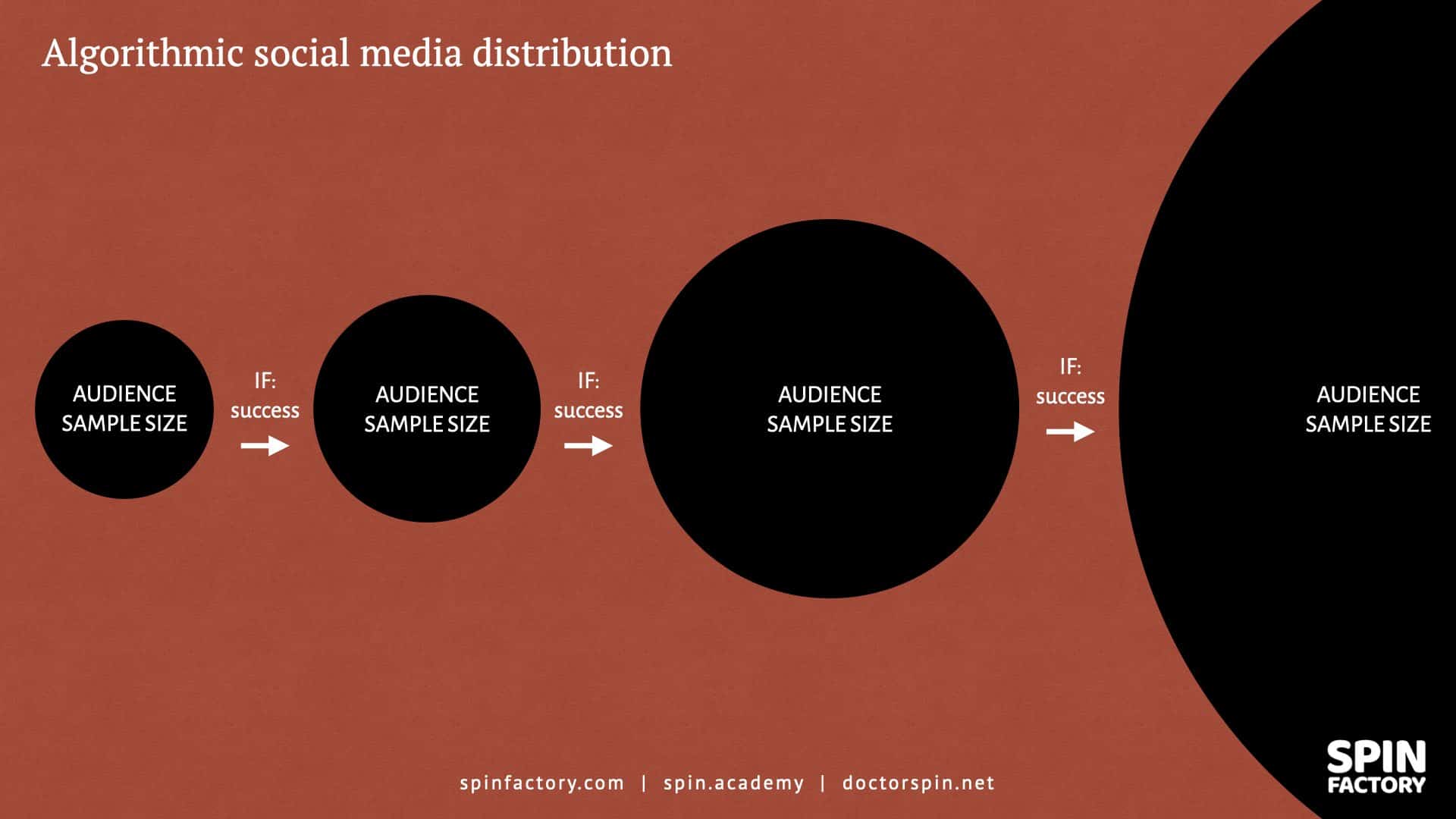
Recommendation engines are no longer passive mirrors; they are active amplifiers. When AI-driven systems prioritize engagement, they disproportionately surface high-volatility assets and sensationalized narratives. This creates a self-reinforcing cycle where speculative behavior is rewarded with visibility, distorting organic trust metrics and accelerating price discovery beyond fundamental values.
Research into graph-based prediction models highlights how these algorithms transform fragmented expert opinions into concentrated signals. As noted in studies published in arXiv and the ACM Digital Library, hybrid deep sequential modeling can detect patterns in social text that correlate with stock movements. However, this same capability allows algorithms to identify and exploit speculative sentiment before it dissipates, effectively front-running the market consensus.
The result is a feedback loop where rising prices attract more algorithmic attention, which in turn drives further buying. This dynamic mirrors the mechanics of economic bubbles, where risky leveraged behavior pushes asset prices artificially upward. Unlike traditional markets, where information diffusion is limited by geography and time, AI-driven social graphs compress this timeline, creating volatile spikes that can reverse just as quickly.
| Factor | Traditional Market | AI-Amplified Social Graph |
|---|---|---|
| Speed of Sentiment | Slow, geographic limits | Instant, global scale |
| Signal Clarity | Diluted by noise | Concentrated by algorithms |
| Volatility | Moderate, fundamental-driven | High, sentiment-driven |
Social sentiment as a predictive signal
The financial markets are no longer driven solely by earnings reports or macroeconomic indicators. A new asset class has emerged: social alpha. This is the measurable edge gained by interpreting social graph data as a leading indicator of price volatility. When retail attention shifts, liquidity follows, creating predictable, if fleeting, arbitrage opportunities.
This phenomenon is not merely anecdotal. Academic research, such as the study Game on: Social networks and markets published in the Journal of Financial Economics, demonstrates that bubbles driven by social media effects are significantly exacerbated when shortsellers are forced to close positions due to share recalls or risk controls. The social graph acts as a transmission mechanism for panic and euphoria, turning localized sentiment into global market events.
Identify the primary nodes where retail capital aggregates. These are typically decentralized social platforms or niche crypto communities where information velocity exceeds traditional news cycles.
Overlay social volume metrics against asset price action. Look for divergences where sentiment rises sharply while price remains suppressed, indicating potential accumulation or impending squeeze conditions.

Enter positions before the broader market reacts to the social signal. The window for social alpha is narrow; by the time the data is public, the move is often priced in.
The integration of social sentiment into quantitative models requires rigorous backtesting. Unlike traditional fundamentals, social signals are noisy and prone to manipulation. However, when filtered through network analysis, they reveal the underlying structure of market participation. Traders who ignore this dimension are trading with one eye closed.
Community trust and asset bubbles
When social connections are monetized aggressively, the underlying trust that holds a community together can evaporate almost as quickly as it was built. In finance market analysis, we recognize that speculative bubbles are not merely pricing errors; they are structural failures where social validation replaces fundamental value. This dynamic is particularly dangerous in community-driven assets, where the social graph itself becomes the collateral.
Research into social network effects on markets indicates that bubbles driven by social media signals can be exacerbated by mechanical market forces. For instance, when shortsellers are forced to close positions due to share recalls or risk controls, the resulting short squeeze amplifies the social feedback loop, pushing prices further from reality. This creates a fragile economy where risky leveraged behavior and speculative frenzies push asset prices artificially upward until the inevitable correction. The community, initially celebrating the growth, often finds itself holding devalued assets with no liquidity.
The erosion of trust is the true cost of these bubbles. Unlike traditional gambling, which is wagering on uncertain outcomes, speculation involves taking calculated risks. However, when the "calculation" is based on social hype rather than utility or service quality, the risk becomes indistinguishable from chance. A theoretical framework for community assets suggests that users learn about service quality over time through native tokens. When speculation distorts this learning process, the community loses its ability to accurately assess value, leading to a breakdown in the social contract.
| Metric | Organic Community Growth | Speculative Token-Gated Growth |
|---|---|---|
| Primary Driver | Utility, service quality, genuine engagement | Price appreciation, social signaling, FOMO |
| User Retention | High; tied to long-term value | Low; spikes during hype, crashes during correction |
| Trust Level | Stable; built on consistent delivery | Fragile; erodes quickly when prices drop |
| Liquidity Risk | Managed; aligned with community capacity | High; prone to flash crashes and exit liquidity hunts |
The data from provider-backed market charts often reveals these patterns clearly. When a community asset decouples from its underlying social utility, the resulting volatility is not just a market fluctuation—it is a signal of broken trust. Investors and community members alike must distinguish between genuine social value creation and the ephemeral rush of speculative momentum. Without this distinction, communities risk becoming nothing more than exit liquidity for early insiders.
Navigating speculation in social markets
Distinguishing genuine community value from speculative noise requires a disciplined framework. Speculation is not gambling; it involves taking calculated risks based on an expected positive return, whereas gambling relies on uncertain outcomes with no underlying utility [Investopedia]. In social markets, this distinction is often blurred by viral momentum rather than fundamental engagement.
To separate signal from noise, evaluate three core metrics. First, analyze retention over time. Does the community remain active after the initial hype cycle, or do users churn once price appreciation stalls? Second, assess utility. Does the token or platform solve a specific problem, such as governance rights or access to exclusive content, or does it exist solely for trading? Third, examine liquidity depth. Thin liquidity allows small amounts of capital to manipulate prices, creating false signals of popularity.
Use market data to validate your observations. While social sentiment can spike rapidly, price action often reveals the true level of institutional or serious retail interest. A sustained upward trend with increasing volume suggests genuine adoption, whereas sharp spikes with low volume often indicate pump-and-dump schemes.
Common questions about social speculation
Speculation in social networks operates differently than traditional equity markets, yet the mechanics of risk and leverage remain familiar to traders. Understanding the distinction between calculated risk and pure gambling, along with the structural dangers of social-driven bubbles, is essential for navigating these high-stakes environments.
No comments yet. Be the first to share your thoughts!