
Defining speculation-driven social graphs
A speculation-driven social graph is a digital network where the value of a connection is directly tied to the performance of a speculative asset, rather than solely to the utility of the content or the strength of the relationship. In traditional social media, algorithms curate feeds to maximize engagement, keeping users on the platform. In a speculation-driven model, the platform’s architecture is designed to maximize the financial volatility of the connections themselves.
This structure merges social interaction with financial incentives. Users do not just follow or connect; they often buy and sell "keys" or tokens that represent access to a profile or the ability to interact with it. As Investopedia notes, speculation involves high-risk transactions focused on short-term market value changes rather than long-term fundamental growth Investopedia. When applied to social graphs, this means the "friend" becomes a tradable commodity. The social graph is no longer just a map of relationships; it is a ledger of financial positions.
The primary distinction from algorithmic curation is the incentive layer. Traditional platforms profit from attention and data. Speculation-driven platforms profit from transaction volume. This creates a structural pressure to encourage frequent trading of social ties. Variant Fund has observed that this model leverages speculation as a growth strategy, where the appeal of potential financial gain drives user acquisition and retention more aggressively than content quality alone Variant Fund.
This dynamic introduces significant risk. Because the value of a connection is speculative, it is susceptible to rapid volatility. A user’s social capital can evaporate as quickly as it was built, depending on market sentiment rather than genuine community engagement. This transforms the social graph from a static record of identity into a high-stakes financial instrument.
How tokenized connections replace algorithms
Traditional social media relies on opaque algorithms to curate feeds, prioritizing engagement metrics that often favor sensationalism. In contrast, speculation-driven social graphs introduce a market mechanism where access to content and connections is tokenized. Users buy and sell keys or shares in other profiles, effectively turning social attention into a tradable asset class. This shift replaces passive algorithmic curation with active, price-discovered demand.
When a user purchases a key to another profile, they are not just subscribing; they are investing in the perceived value of that connection. This creates a direct feedback loop where the market price of a social link reflects the community's collective assessment of its utility and popularity. As noted in research on community assets, this structure allows users to learn about service quality over time through token usage, though it introduces friction based on speculative valuation rather than pure content merit.
This mechanism fundamentally alters user incentives. Instead of passively consuming content to boost engagement numbers for a platform, users actively curate their networks based on potential financial upside or strategic alignment. The feed becomes a reflection of real-time market sentiment rather than a black-box recommendation engine.
The following comparison highlights the structural differences between traditional algorithmic feeds and speculation-driven graphs:
| Metric | Algorithmic Feed | Speculation-Driven Graph |
|---|---|---|
| Curation Logic | Engagement optimization (clicks, time spent) | Market price discovery (buy/sell pressure) |
| User Incentive | Consume content to maintain visibility | Invest in connections for potential appreciation |
| Data Ownership | Centralized platform control | Decentralized token-based access rights |
| Transparency | Low (opaque ranking factors) | High (public ledger of transactions) |
This model, as explored in analyses of crypto-social consumer apps, raises questions about whether speculation can sustainably drive growth. While it creates immediate liquidity and attention, it also risks prioritizing short-term price movements over long-term community value, a tension central to the evolution of tokenized social infrastructure.
Real-world examples and market behavior
The theoretical mechanics of speculation-driven social graphs manifest most clearly in platforms like Friend.tech and its derivatives. These applications structurally align social influence with financial incentives, allowing users to buy and sell "keys" that grant access to private channels or direct messaging with specific accounts. This model treats social connections as tradable assets, where the value of a connection is determined by market demand rather than organic engagement.
As analyzed by Variant Fund, this approach leverages speculation as a growth strategy for crypto-social consumer apps. The system creates a feedback loop where early adopters profit from the appreciation of keys linked to influential users, encouraging further participation. However, this structure also concentrates wealth among early entrants and creates significant volatility for later participants who may find themselves holding devalued assets if social attention shifts.
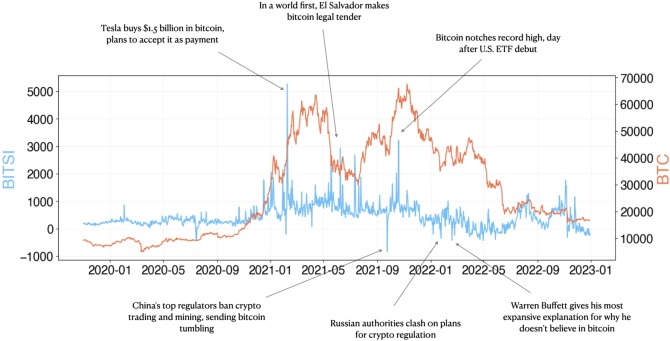
The behavior observed in these markets mirrors broader financial trends where sentiment drives asset pricing. Research into sentiment-driven speculation in financial markets suggests that heterogeneous investors often switch strategies based on perceived returns, leading to herd behavior and potential market inefficiencies. In social graphs, this translates to sudden spikes in the value of certain accounts followed by sharp corrections when the speculative bubble deflates.
Regulatory scrutiny and the speculation line
As social networks increasingly tokenize user connections, the line between speculative investment and gambling has blurred. Regulators are now examining whether these platforms function as unregistered securities exchanges or illegal gambling operations. The structural mechanics of these platforms often rely on short-term price volatility rather than long-term utility, creating significant legal exposure.
Speculation vs. Gambling
The distinction between speculation and gambling is often debated in legal circles. Speculation involves taking a calculated risk with an uncertain outcome, potentially leading to substantial gains. In contrast, gambling is wagering money on an event with an uncertain outcome where the house typically holds the edge. However, when social graphs are designed to incentivize rapid trading of attention or influence, the mechanic resembles gambling more than traditional investment.
Regulatory Challenges
Current financial regulations were not built for decentralized social economies. Agencies like the SEC are struggling to classify tokenized social assets. Are they securities, commodities, or something entirely new? This ambiguity creates a high-stakes environment where platform operators must navigate a patchwork of international laws. Failure to comply can result in severe penalties, including forced delisting or shutdowns.
The Fine Line
The core issue lies in the incentive structure. If a platform rewards users primarily for driving up the value of their social tokens, it encourages speculative behavior over genuine community building. This dynamic can lead to market manipulation and user exploitation. Regulators are increasingly focused on these economic incentives, signaling a tougher stance on platforms that prioritize speculation over utility.
No comments yet. Be the first to share your thoughts!