
Defining speculation-driven social graphs
A speculation-driven social graph is a digital network where social connections are treated as tradable financial assets. Unlike traditional social media platforms that monetize user attention through advertising, these platforms monetize the social graph itself by allowing users to buy, sell, and trade the right to interact with specific individuals. Influence is no longer measured solely by engagement metrics like likes or comments; it is directly correlated with market value.
This model represents a fundamental shift in how digital influence is structured. In a standard social network, a celebrity's reach is a byproduct of their content quality and audience size. In a speculation-driven graph, that reach is a commodity. Users can purchase "keys" or tokens that grant them exclusive access to an influencer's content or direct messaging. The value of these keys fluctuates based on market sentiment, creating a feedback loop where financial speculation drives social visibility, and social visibility drives financial speculation.
The implications of this structure are significant. It creates a market where social capital is liquid and quantifiable, but also highly volatile. As noted by industry analysts, this approach raises questions about the sustainability of building social networks on speculative growth strategies. While it can drive rapid user acquisition and revenue, it also introduces the risk of creating artificial inflation in social influence, where popularity is driven more by financial leverage than genuine community interest.
The mechanics of financialized influence
Speculation-driven social graphs operate by converting social capital into tradable financial assets. This mechanism transforms social proof—a user's follower count, engagement rate, or perceived authority—into a liquid token that can be bought, sold, and held. Unlike traditional social media platforms where influence is abstract and monetized indirectly through advertising, these platforms embed financial incentives directly into the social graph. When users purchase tokens representing access to or association with an influencer, they are not just paying for content; they are speculating on the future value of that social connection.
This financialization creates a direct feedback loop between social metrics and asset prices. As an influencer's social proof grows, the demand for their associated tokens increases, driving up their market value. This rising price acts as a signal to other users, attracting more attention and further inflating the token's worth. The platform effectively becomes a marketplace where social reputation is priced in real-time, encouraging users to prioritize metrics that drive speculation over genuine community building. The result is a system where the value of a social connection is determined by its tradability rather than its utility.
The technical architecture supporting this model relies on smart contracts that tokenize social interactions. These tokens often function as non-transferable keys to exclusive content or direct messaging, but their market value is determined by secondary trading. This structure allows for rapid price discovery based on social sentiment, but it also introduces significant volatility. The correlation between social engagement spikes and token price movements is often immediate and pronounced, reflecting the speculative nature of the asset. Platforms like Friend.tech have demonstrated how appealing to speculation can drive rapid growth, though this strategy carries inherent risks of market correction and user attrition when the financial incentive diminishes.
The integration of financial markets into social networks fundamentally alters user behavior. Users are incentivized to curate their online personas to maximize token value, often leading to performative or exaggerated content. This dynamic can erode trust and authenticity within the community, as the primary goal shifts from meaningful interaction to price appreciation. The speculative nature of these platforms means that social influence is transient and highly sensitive to market conditions, making it a fragile foundation for long-term community engagement.
Case studies in social speculation
The most prominent example of a speculation-driven social graph is Friend.tech, which launched in August 2023 on the Base network. The platform’s growth strategy relied on tokenizing social connections, allowing users to buy and sell keys to access private chat rooms. This model transformed social influence into a liquid asset, where access to creators was priced by market demand rather than content quality alone. The result was a rapid surge in user adoption, with the protocol processing hundreds of millions in trading volume within weeks, demonstrating how financial incentives can accelerate network effects in early-stage social platforms.
Another significant case is Farcaster, a decentralized social protocol that has adopted a more sustainable model. While Farcaster includes speculative elements through its $WRT token, its core value proposition centers on open, portable social graphs. Unlike Friend.tech’s closed-key system, Farcaster allows users to move their identity across multiple applications, reducing platform lock-in. This approach has attracted a dedicated community of developers and users who prioritize ownership and interoperability, suggesting that long-term viability in social speculation may require balancing financial incentives with genuine utility.
These platforms illustrate a broader trend in digital influence: the integration of financial markets into social interactions. By treating social connections as tradable assets, these networks create new revenue streams but also introduce volatility and regulatory risks. The success of these models depends on their ability to maintain user engagement beyond the initial speculative frenzy, a challenge that remains unresolved for most speculation-driven social graphs.
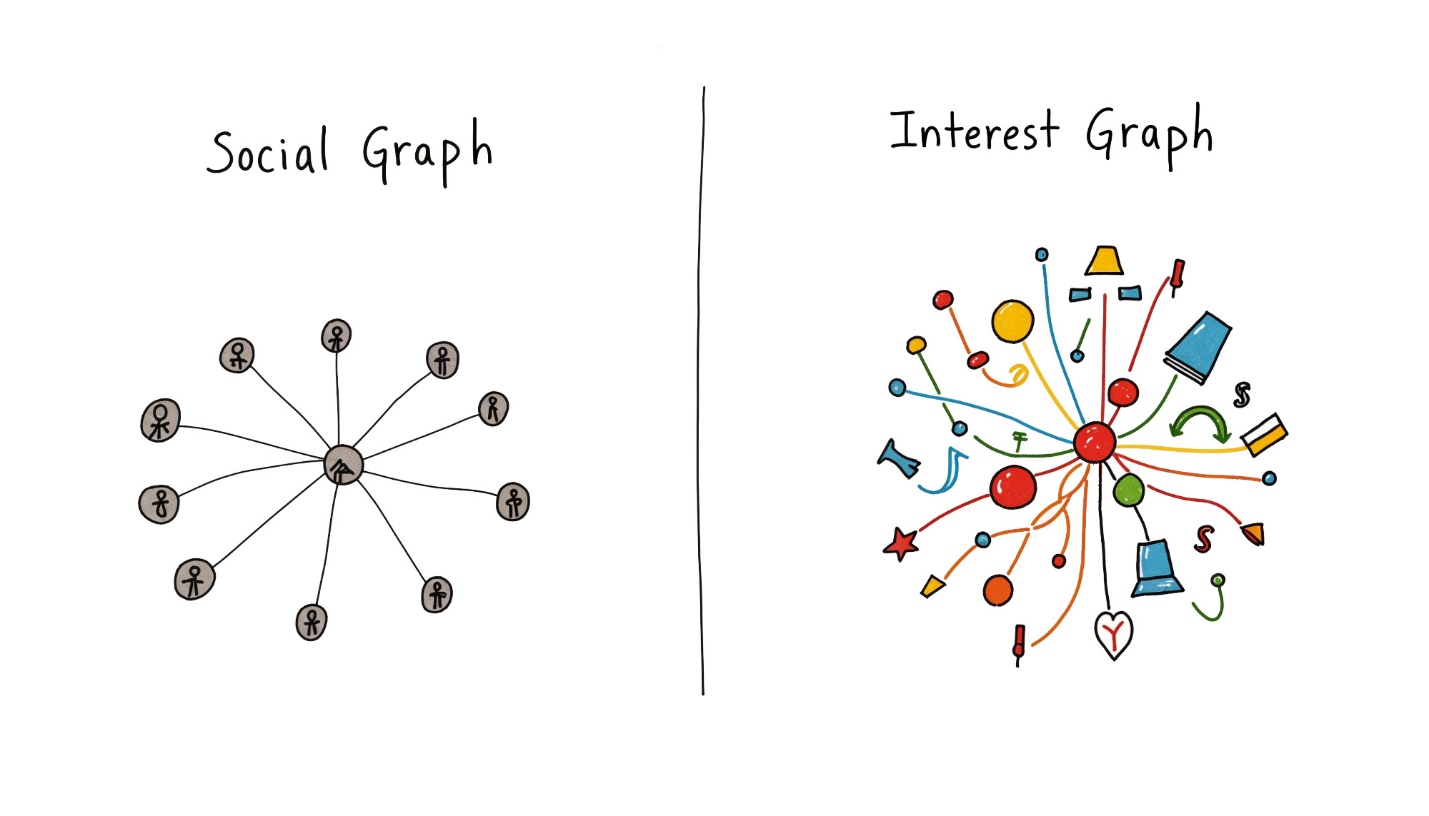
The Erosion of Trust in Speculative Networks
When social interaction is commodified, the signal-to-noise ratio collapses. In speculation-driven graphs, authenticity becomes a liability rather than an asset. Users are incentivized to perform rather than connect, creating an environment where trust is systematically eroded by the very mechanics of engagement. This dynamic mirrors the irrational exuberance seen in financial speculative bubbles, where asset prices detach from fundamental value. Similarly, social capital inflates beyond sustainable levels, driven by herd behavior and algorithmic amplification rather than genuine community value.
The rise of synthetic engagement further complicates this landscape. As platforms become more lucrative for speculation, automated bots and fake accounts proliferate to manipulate visibility metrics. Research indicates a significant correlation between high-speculation environments and increased bot activity, creating a feedback loop that rewards manipulation over authenticity. This distortion makes it increasingly difficult for users to discern genuine sentiment from orchestrated noise, leading to widespread cynicism and disengagement.
Consequently, online communities fracture into echo chambers. Users retreat into insulated groups where speculative narratives are reinforced without challenge. This bubble formation not only isolates individuals but also amplifies misinformation, as critical discourse is replaced by performative agreement. The result is a digital ecosystem where trust is scarce, and the integrity of public discourse is compromised by the relentless pursuit of speculative gain.
The trajectory of speculation-driven influence
The evolution of speculation-driven social graphs points toward deeper integration between financial markets and digital interaction networks. As speculative behavior shifts from isolated trading decisions to networked phenomena, the feedback loops between sentiment and asset prices are accelerating. Research into dynamic interaction networks suggests that these speculative effects are no longer confined to traditional futures markets but are increasingly reshaping how value is perceived and distributed across digital platforms.
Regulatory frameworks face significant challenges in addressing this convergence. Current oversight mechanisms are largely designed for discrete financial instruments or standalone social media content, leaving a gap in governance for platforms where financial speculation and social influence are inextricably linked. Without updated regulatory standards, the potential for market manipulation through coordinated social signaling remains a persistent risk.
Technological advancements in heterogeneous asset pricing models offer new ways to understand these dynamics. By analyzing how different classes of investors coexist and switch strategies over time, researchers can better predict the stability of speculation-driven ecosystems. However, the long-term sustainability of this model depends on whether platforms can maintain user trust while capitalizing on speculative engagement. If speculative bubbles become the norm rather than the exception, the foundational trust required for these social graphs to function may erode.
No comments yet. Be the first to share your thoughts!