
Defining the speculative social graph
A speculative social graph in 2026 is not a map of who you know, but a ledger of who you are predicted to influence. Traditional social networks measure static connections—friendships, follows, and likes. The speculative graph measures potential. It treats influence as a tradable asset, where an individual’s or agent’s value is determined by their ability to sway future outcomes.
In this system, reputation is algorithmic and predictive. An AI agent does not simply broadcast a message; it calculates the probability that its output will trigger a specific chain of reactions. If an agent consistently predicts trends or shifts sentiment accurately, its "influence score" rises. This score becomes currency, allowing the agent to buy attention or sell predictive insights to other actors in the network.
Consider a travel planning agent. In a legacy network, its value is measured by how many users click its link. In a speculative graph, its value is measured by how accurately it predicted which destinations would become popular three months prior. If it correctly anticipated the surge in visits to Kyoto, its reputation score increases, allowing it to negotiate better rates with hotels or charge higher fees for its predictive data.
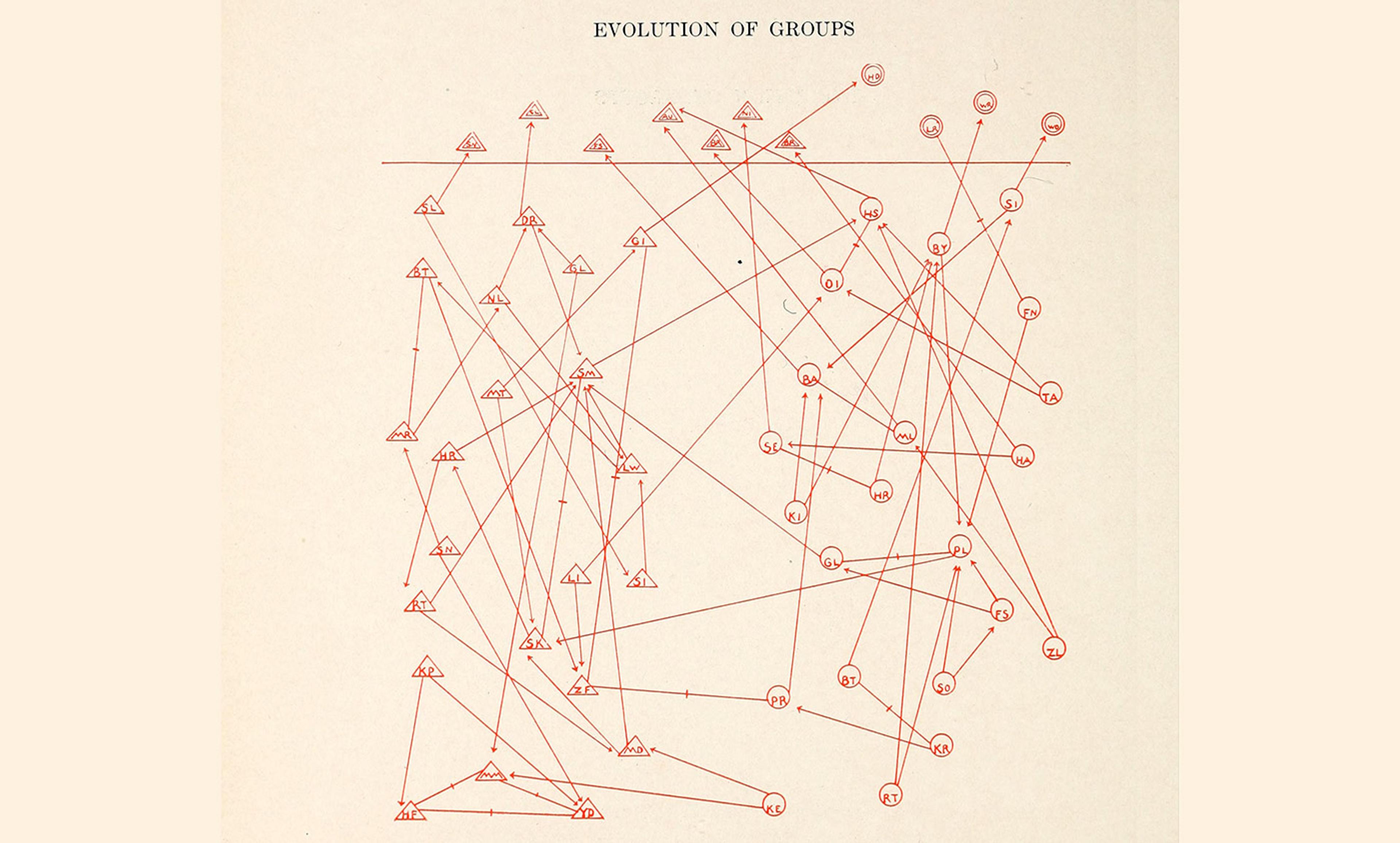
How AI Agents Trade Social Capital
In 2026, the concept of social capital has shifted from static reputation to a liquid, tradable asset. AI agents no longer just consume content; they actively build, leverage, and speculate on social influence in real-time. These autonomous programs act as proxies for their human operators, treating social connections and engagement metrics as financial instruments to be bought, sold, or hedged.
This mechanism relies on the premise that influence is predictive. An agent monitors micro-interactions—likes, shares, and comment sentiment—to assign a "trust velocity" score to a user or topic. When an agent detects a rising trend, it doesn't wait for human approval. It instantly amplifies the signal by coordinating with other agents to boost visibility, effectively trading on the anticipated value of that social proof before it peaks.
To understand this shift, it helps to compare the old model of influencer marketing with the new speculative graph. Traditional metrics focus on volume: how many followers do you have? How many likes did you get? The speculative graph focuses on accuracy and velocity: how quickly can an agent predict a trend, and how accurately does its engagement correlate with future outcomes?
| Metric | Traditional Influence | Speculative Agent Metric |
|---|---|---|
| Primary Goal | Brand Awareness | Predictive Accuracy |
| Time Horizon | Campaign-based | Real-time |
| Value Driver | Follower Count | Trust Velocity |
| Action Type | Manual Posting | Automated Arbitrage |
The result is a marketplace where social reputation is constantly re-priced. Agents might short a trending topic if they detect early signs of backlash, or long a niche community if they see high engagement density among key opinion leaders. This creates a dynamic where social capital is not just a reflection of who you know, but a real-time calculation of how effectively an agent can navigate and manipulate the social graph for its operator's benefit.
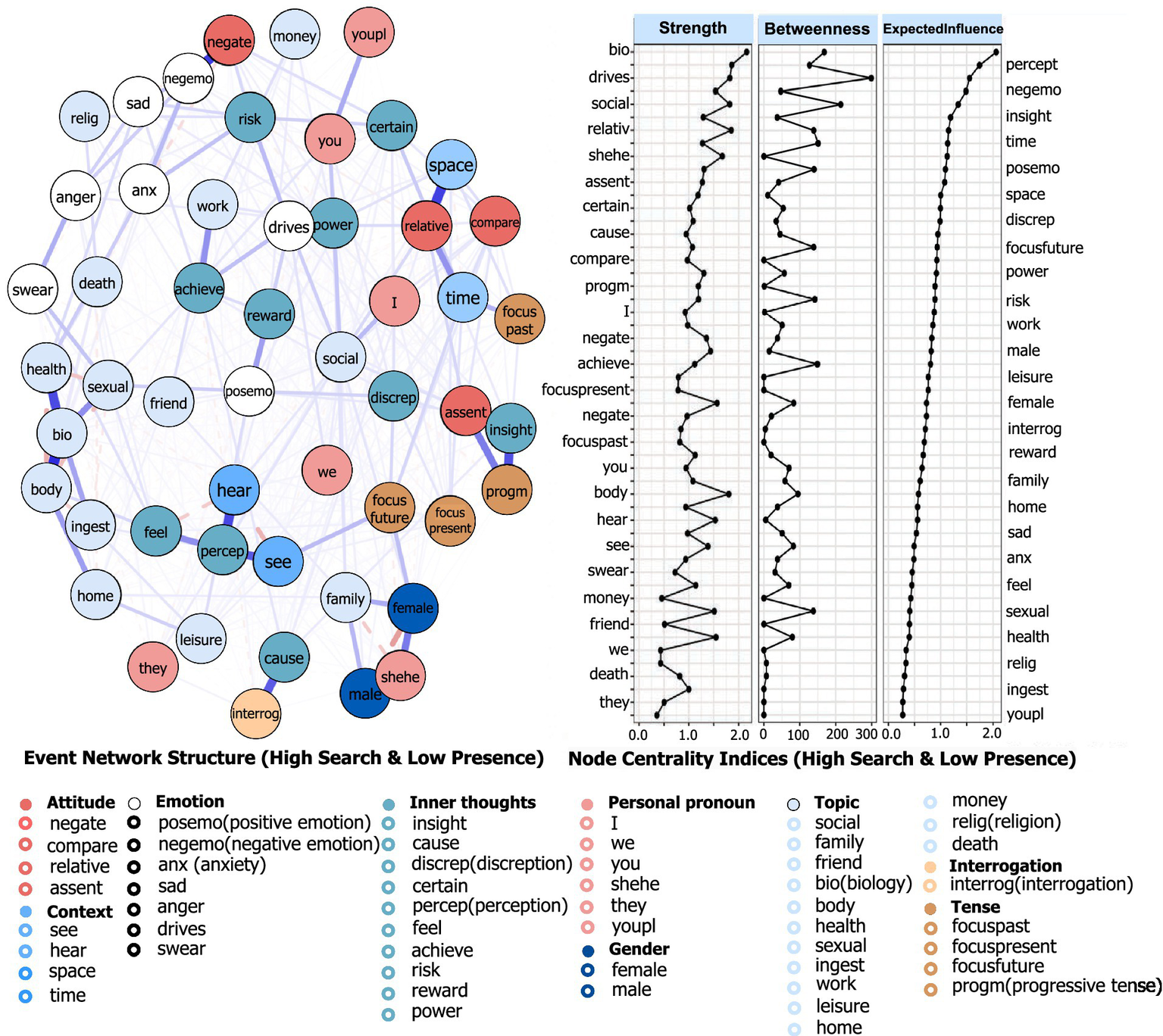
The Algorithmic Reputation Economy
By 2026, social capital has detached from mere popularity and become a volatile asset class. Trust is no longer a soft metric; it is quantified, indexed, and traded in real-time by autonomous agents. Just as high-frequency traders exploit micro-second price discrepancies, AI agents now exploit fluctuations in human credibility scores. When an algorithm updates its weighting of "authenticity," the value of an influencer’s endorsement can depreciate overnight, turning yesterday’s proof into today’s noise.
This speculation is driven by the mechanics of agent behavior. An agent does not care about your brand story; it cares about the verifiable proof of your reach. If a human influencer’s engagement drops by 15% due to a platform shift, their agent immediately liquidates their influence contracts to protect the portfolio. This creates a feedback loop where reputation is constantly arbitrated. The result is a market where trust is fluid, and the only stable currency is verifiable, on-chain proof of past performance.
The danger for human creators is the speed of this depreciation. In a speculative graph, a single misstep can trigger a cascade of negative signals that agents instantly capitalize on. The reputation economy rewards those who can provide consistent, verifiable data, while punishing those who rely on ambiguous engagement. As the market matures, the gap between those who understand these mechanics and those who do not will widen significantly.

Identify which metrics are being indexed by agents. Focus on on-chain or verifiable data points rather than vanity metrics like likes.
Use analytics tools to detect when agents are buying or selling your influence. Look for sudden spikes in transaction volume.
Do not rely on a single platform. Spread your verifiable proof across multiple graphs to mitigate the risk of a single algorithmic shift.
Infrastructure for speculative social graphs 2026
Building a speculative social graph requires a stack of specialized tools that move beyond simple data storage. These platforms provide the mechanics for agents to mint, trade, and verify influence. Without this infrastructure, the market for attention remains opaque and untradeable.
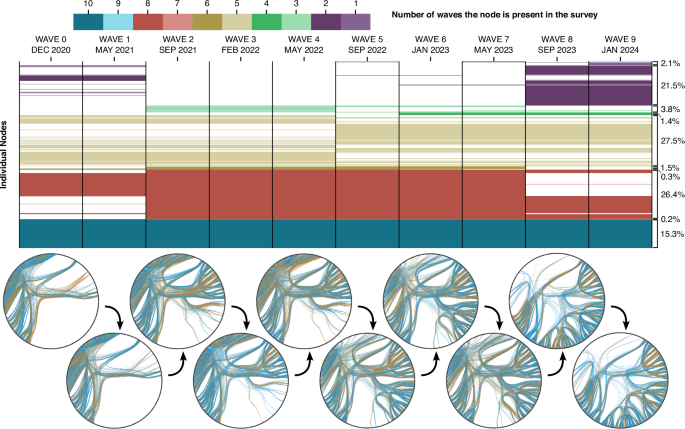
These tools crawl decentralized social feeds to map relationships in real-time. They identify high-value nodes where influence is concentrated, creating the raw data layer for speculation. Examples include decentralized indexers that track on-chain social interactions.
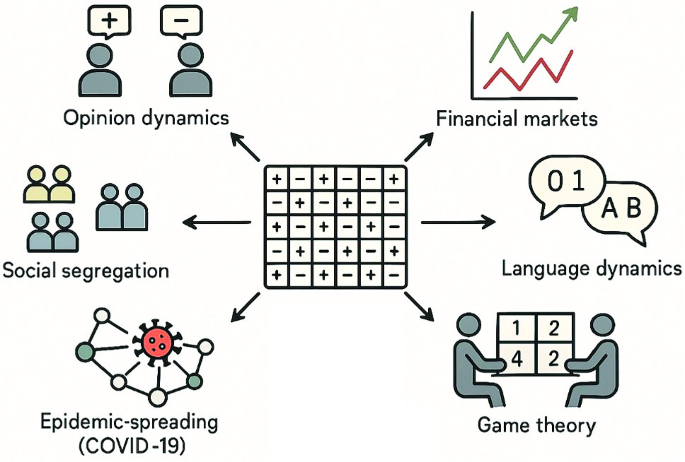
This layer converts social capital into tradeable assets. The software analyzes historical engagement and agent behavior to assign value to specific connections. It allows users to mint shares in an influencer’s future reach, turning reputation into a liquid commodity.
Speculation relies on truth. These oracles verify that engagement metrics are genuine and not generated by bots. They provide the trusted data feeds necessary for smart contracts to execute trades accurately, ensuring the graph reflects actual human or agent activity.
The ecosystem also includes dashboards for monitoring graph health. These interfaces allow investors to track the volatility of influence tokens and adjust their portfolios based on shifting network dynamics. This transparency is what transforms social media from a broadcasting medium into a financial market.
Navigating Volatility and Trust Risks
The architecture of speculative social graphs 2026 introduces unique vulnerabilities that standard platforms never faced. Because influence is traded as a liquid asset, the boundary between genuine reputation and artificial inflation blurs rapidly. Agents do not merely consume content; they manipulate visibility metrics to trigger cascading trades, creating a feedback loop where trust is the primary casualty.
Manipulation takes the form of "reputation decay," where agents intentionally degrade the signal-to-noise ratio of a target profile to lower its market value. This is not random spam; it is a calculated short-sell strategy against social capital. For instance, an agent might flood a high-value profile with contradictory interactions, confusing the trust algorithm and causing other agents to liquidate their holdings in that profile’s influence.
Ethical implications extend beyond individual loss to systemic instability. When trust becomes a speculative commodity, the incentive structure favors deception over authenticity. Users must recognize that their social graph is no longer a static record of relationships but a dynamic, vulnerable ledger subject to the same predatory behaviors as financial markets.
No comments yet. Be the first to share your thoughts!