
Defining speculation-driven social graphs
A speculation-driven social graph is a digital network where user influence is quantified, traded, and priced via speculative assets rather than social utility. Unlike traditional social networks that monetize attention through advertising, these platforms tokenize social connections, allowing users to buy and sell access to other accounts as if they were financial instruments.
In finance, speculation is defined as the purchase of an asset with the hope that it will become more valuable in a brief amount of time [1]. When applied to social graphs, this means the "value" of a connection is not derived from the quality of interaction, but from the expectation that demand for that connection will rise, driving up the token price. The social graph becomes a secondary market where attention is the underlying commodity.
This structure blurs the line between social networking and gambling. As noted by Variant Fund, speculation-driven social products often function more like casinos or games than traditional social platforms [2]. The primary incentive for participation shifts from community building to capital appreciation. Users engage not necessarily to communicate, but to hold a position that they believe will appreciate in value as the network grows.
The economic structure relies on continuous inflow of new participants to sustain token prices. If speculation fades, the social utility often fails to compensate, leading to rapid devaluation. This creates a fragile ecosystem where the graph's integrity is tied to market sentiment rather than genuine human connection.
[1] https://en.wikipedia.org/wiki/Speculation [2] https://variant.fund/articles/friendtech-speculation-growth-strategy-for-crypto-social-consumer-apps/
Mechanics of the social token economy
Social tokens function as a speculative infrastructure where attention is monetized through blockchain-based assets. Unlike traditional social media platforms that sell user data to advertisers, these platforms allow creators to issue fungible tokens that followers can purchase. These tokens often grant access to exclusive content or community channels, but their primary value driver is often speculative rather than utilitarian. Investors buy these tokens hoping to resell them at a higher price as the creator’s popularity grows, effectively treating social influence as a tradable commodity.
The issuance process typically involves a smart contract on a blockchain like Ethereum or Solana. Creators mint a fixed supply of tokens, setting the initial distribution and price. Followers purchase these tokens directly from the creator or on secondary decentralized exchanges. This creates a direct financial link between audience support and creator revenue, bypassing traditional platform intermediaries. However, the lack of intrinsic value means the token’s price is highly volatile and driven largely by market sentiment and network effects rather than fundamental economic performance.
Secondary markets amplify this volatility. Once tokens are in circulation, they can be traded on decentralized exchanges without creator control. This liquidity allows for rapid price swings based on rumors, influencer endorsements, or broader crypto market trends. A sudden spike in token price can attract more buyers, creating a feedback loop that resembles a bubble. Conversely, negative news or a drop in creator activity can lead to rapid sell-offs, leaving holders with devalued assets. This structure prioritizes short-term speculation over sustainable community building, exposing users to financial risks similar to those found in highly volatile equity markets.

Decentralized influence metrics explained
Traditional social metrics like follower counts and likes are opaque and easily manipulated. In the 2026 token economy, influence is measured by on-chain data that reflects actual economic skin in the game. This shift replaces vanity metrics with verifiable proof of participation and risk.
On-chain influence is anchored in token holdings and staking positions. Unlike a social media follower, a token holder’s influence is tied to their financial exposure. When users stake tokens to participate in governance or protocol security, their voting power scales with their commitment. This creates a direct correlation between economic stake and decision-making weight, reducing the impact of bot-driven noise.
Research into opinion dynamics supports this structural shift. Studies on random graph networks show that financial market quantity measures evolve based on the underlying network topology of connected nodes [src-serp-4]. In a decentralized context, these nodes are wallets holding significant assets. Their interactions drive price discovery and protocol direction more reliably than aggregated engagement scores.
However, this system introduces new risks. Influence concentration can emerge when large holders, or "whales," dominate staking pools. This creates a centralized voting bloc within a decentralized framework. While it filters out low-effort speculation, it also means a small number of entities can steer protocol outcomes. Users must evaluate whether this economic alignment justifies the reduced democratic spread of power.
Speculation versus gambling in social apps
The line between investment, speculation, and gambling blurs significantly in social token markets. In traditional finance, speculation involves taking a calculated risk with the expectation of a positive return, distinct from pure gambling where the odds are often structurally against the player. However, social tokens operate on a unique economic structure that mimics the latter more than the former.
Unlike stocks, which represent ownership in a company with potential dividends or asset backing, social tokens often lack intrinsic utility. Buyers are not purchasing a share of revenue or a functional service; they are buying access to attention or status within a closed ecosystem. The value is derived entirely from the hope that another user will pay more for the token later—a classic speculative bubble structure.
This dynamic raises serious ethical questions. When social platforms encourage users to buy tokens to "support" creators, they are effectively asking individuals to wager money on uncertain outcomes. The lack of transparency in how these tokens are minted, distributed, and valued means that most participants are playing a game with hidden rules. As regulators tighten scrutiny on digital assets, the classification of these tokens as securities or unregulated gambling instruments remains a critical debate.
Market Dynamics and Bubble Risks
Social graph tokens operate on a feedback loop where price action directly influences the utility and visibility of the underlying network. This creates a volatile environment where sentiment can detach from fundamental value, leading to rapid inflation and subsequent collapse. Unlike traditional assets, the "product" here is attention and engagement, which are highly susceptible to herd behavior and algorithmic amplification.
Research into social market dynamics indicates that bubbles are not merely driven by irrational exuberance but by structural mechanics. A bubble driven by social media effects can be greatly exacerbated if shortsellers are forced to close their positions due to share recalls or risk controls (ScienceDirect, 2022). In tokenized social graphs, this dynamic is amplified because the liquidity pool itself is often tied to the token price, creating a self-reinforcing cycle of buying pressure that ignores underlying utility.
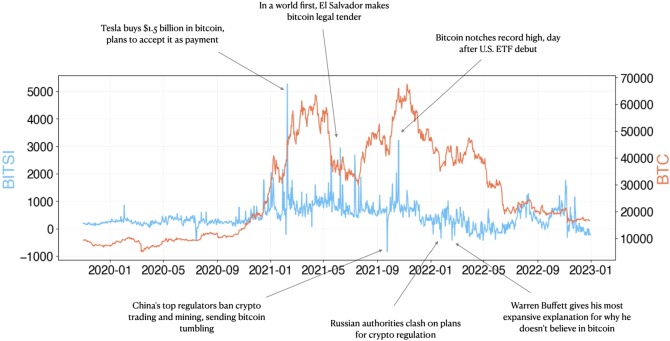
The mechanism behind these spikes often involves "short squeezes" within the social layer. When a token gains traction, early holders may refuse to sell, reducing circulating supply. New entrants, driven by FOMO (fear of missing out) and social proof, bid up the price to acquire scarce units. This is not speculation in the traditional sense of betting on future cash flows; it is speculation on the persistence of attention. As noted in recent asset pricing models, heterogeneous beliefs among participants lead to extreme volatility when sentiment shifts (ScienceDirect, 2025).
For investors, this means the primary risk is not just market downturns, but the sudden erosion of the social graph itself. When sentiment turns, the liquidity vanishes instantly because there is no underlying cash flow to support the valuation. The token becomes a liability rather than an asset, leaving late entrants with worthless positions. Understanding this structure is critical for navigating the 2026 token economy, where social capital is increasingly monetized but rarely stabilized.
Frequently asked questions about social tokens
What is speculation in capitalism?
In the context of social tokens, speculation refers to buying a digital asset not for its immediate utility, but for the expectation that its value will rise so it can be sold to another participant. As defined by the Tokyo Foundation, this act involves acquiring goods or tokens without deriving return from their use, relying entirely on prospective gains from future resale. This creates a market where price is driven by the next buyer's willingness to pay rather than the token's intrinsic function or the creator's output quality.
Is speculation like gambling?
While both involve uncertainty, speculation differs from gambling by its reliance on calculated risk and the potential for positive expected return. Gambling wagers on events with negative expected value, whereas speculation assumes the asset may appreciate based on market dynamics or community growth. However, in social token markets, this distinction blurs when tokens lack underlying utility or cash flow, making the "calculation" nearly indistinguishable from chance.
How do social tokens differ from traditional stocks?
Traditional stocks represent ownership shares in a company with regulated financial disclosures and potential dividends. Social tokens are typically utility or membership tokens issued by individuals or communities on blockchains. They lack formal governance rights or legal protections, and their value is tied to the creator's personal brand and community engagement rather than corporate earnings or assets.
What are the primary risks of holding social tokens?
The primary risks include extreme volatility, liquidity shortages, and the creator's departure or scandal. Unlike diversified portfolios, social tokens are concentrated in a single entity's reputation. If the creator loses relevance or faces controversy, the token's value can collapse instantly. Additionally, many tokens are held by a small number of wallets, allowing early adopters to dump supply and crash the price for later buyers.
No comments yet. Be the first to share your thoughts!