
Defining speculative social graphs
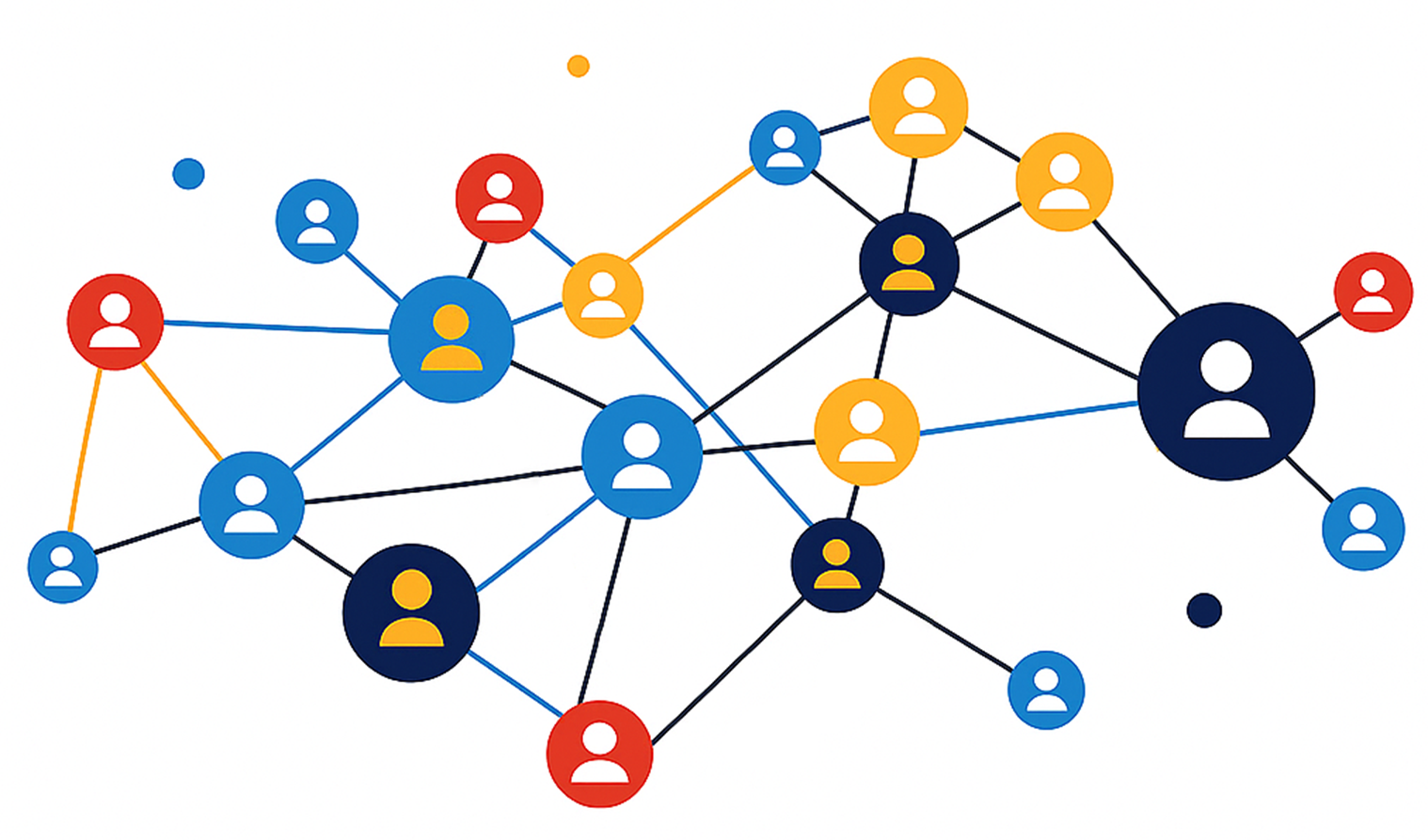
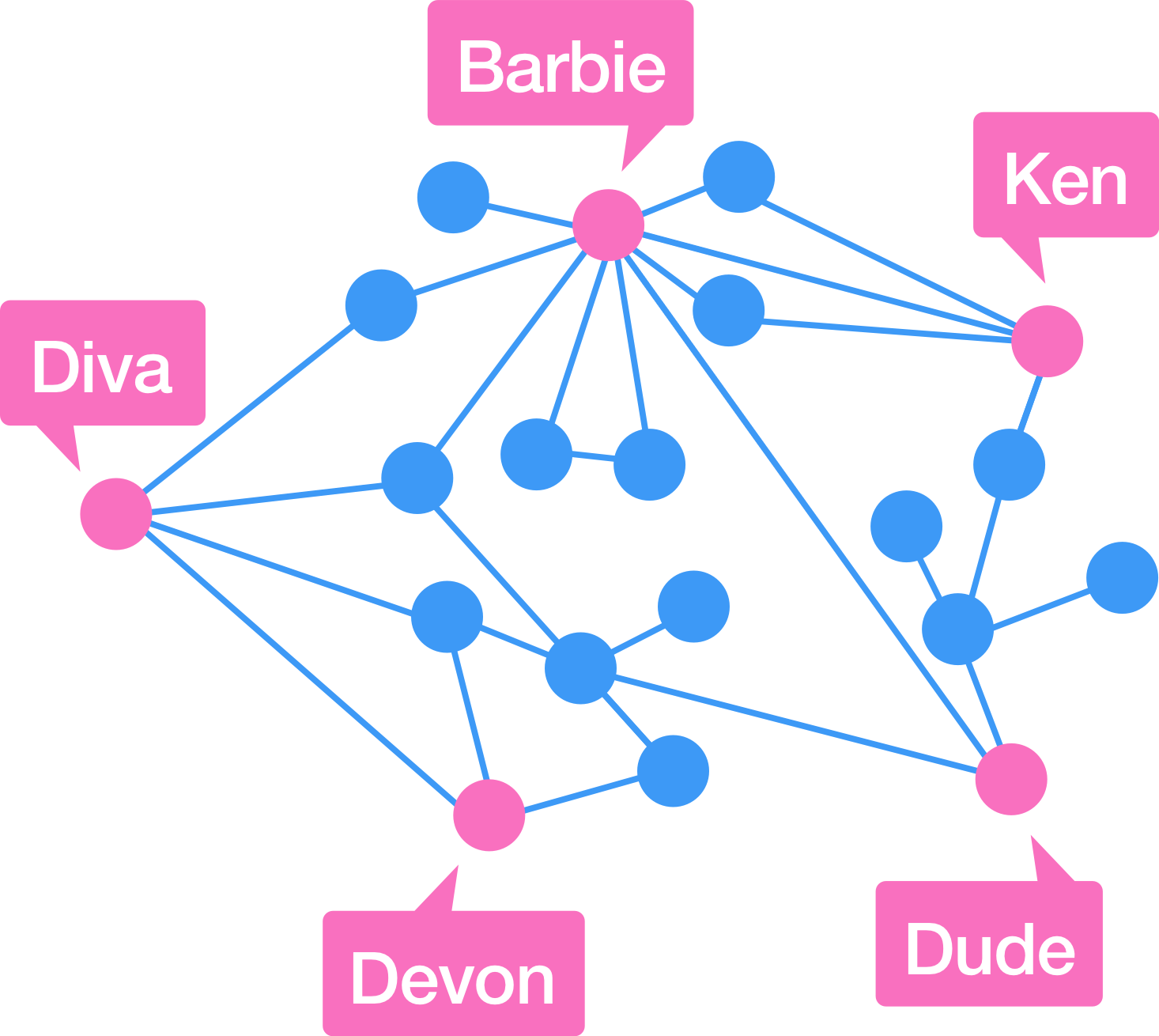
A speculative social graph is a decentralized network structure where social connections are tokenized and traded as financial assets. Unlike traditional centralized platforms that treat user data as a byproduct of engagement, speculative social graphs treat social capital—the ability to influence and be followed—as the primary commodity. In this model, the "graph" is not just a map of who knows whom; it is a ledger of ownership where every connection has a market price.
The core mechanic is the financialization of attention. On platforms like Friend.tech, users buy "keys" to access exclusive content or chat rooms. These keys are non-fungible tokens (NFTs) that can be resold on secondary markets. When a user buys a key, they are not just paying for access; they are buying a stake in that user's future influence. If the user becomes more popular, the value of the keys rises, allowing early buyers to sell at a profit. This creates a feedback loop where speculation drives engagement, and engagement drives speculation.
This structure fundamentally alters the relationship between the platform, the creator, and the audience. In a traditional social network, the platform captures the value of the network effects. In a speculative social graph, the value is distributed among token holders. The social graph becomes a speculative asset class, where the stability of the network depends on the continuous inflow of new capital rather than organic community growth. This raises complex questions about sustainability, as the system relies on the assumption that there will always be new buyers willing to pay higher prices for social access.
How influence tokenization works
Influence tokenization turns social interactions into liquid assets. Instead of relying on opaque algorithms to determine visibility, these platforms mint keys that represent access to a creator’s content or direct messaging. When users buy these keys, they are purchasing a fractional stake in that person’s social graph. This mechanism creates a direct financial feedback loop: higher engagement increases the scarcity and value of the keys, which in turn incentivizes more interaction.
The process begins when a creator mints their profile keys on a blockchain. These keys are not just digital badges; they are tradable ERC-20 or ERC-721 tokens. A buyer uses cryptocurrency to purchase a key, which grants them the right to interact with the creator—often by unlocking a private chat or exclusive feed. The creator receives a portion of the sale price immediately, providing upfront liquidity for their influence.
Once the keys are in circulation, their value fluctuates based on market demand. If a creator gains more followers or posts viral content, the demand for their keys rises. This allows early buyers to sell their keys at a profit on secondary markets. The system effectively monetizes attention by treating social capital as a speculative asset class, where reputation is priced in real-time through trading volume and token price action.
Users start by linking a Web3 wallet, such as MetaMask or Rainbow, to the platform. This step authenticates the user’s identity on-chain and provides the necessary crypto funds to participate in the market.
The user browses a creator’s profile and purchases a specific number of keys. Each key represents a share of the creator’s social graph. The transaction is recorded on the blockchain, and the creator receives a percentage of the sale immediately.
With a key, the user unlocks private messaging or exclusive content. As the creator’s popularity grows, the user can hold the keys for potential appreciation or sell them on a secondary market to other speculators seeking exposure to that social graph.
Centralized vs decentralized graph structures
The architecture of a social graph determines who holds the keys to your digital identity. In traditional centralized platforms, the graph is a proprietary asset owned by the company. Your connections, posts, and history exist within a siloed database that the platform controls entirely. This model prioritizes engagement metrics over user sovereignty, creating a system where data portability is limited and monetization flows upward to the corporation.
Decentralized and distributed graphs shift this dynamic by treating social data as a user-owned commodity. Instead of a single server holding the ledger of relationships, the graph is distributed across a network. This structure allows for true data portability; you can "buy keys" to your own history and move them between different front-end applications. The economic mechanics change from rent-seeking to utility, where value accrues to the user rather than the infrastructure provider.
The following table outlines the structural and economic differences between these two models.
| Feature | Centralized (Siloed) | Decentralized (P2P) |
|---|---|---|
| Data Ownership | Platform-owned | User-owned |
| Portability | Limited/None | Full/Seamless |
| Monetization | Ad-driven, data sales | Direct user-to-user |
| Censorship Resistance | Low (platform rules) | High (network consensus) |
| Graph Structure | Single server database | Distributed ledger |
The hidden costs of monetized identity
When social reputation is converted into a tradeable asset, the stability of your digital standing becomes tethered to market volatility. Unlike traditional credit scores or professional references, which shift slowly based on verified behavior, speculative social graphs react instantly to capital flows. A sudden drop in the value of the underlying token can erase months of social capital overnight, regardless of the user's actual conduct or community contribution.
This structure introduces a new vulnerability: manipulation through financial leverage. An actor with sufficient liquidity can artificially inflate the reputation score of a specific user or group by purchasing their keys or tokens, creating a false signal of trustworthiness. This is not merely a theoretical risk; it mirrors the "whale" dynamics seen in decentralized finance, where large holders can sway outcomes without earning organic respect. The result is a system where influence is often a function of capital rather than character.
Beyond external manipulation, there is the psychological toll of monetized identity. When every interaction has a price tag, users often self-censor or perform rather than engage authentically. The pressure to maintain a high "score" can lead to burnout and anxiety, as users treat social connections as investments to be managed rather than relationships to be nurtured. This shifts the fundamental nature of community from mutual support to transactional exchange, eroding the trust that makes social networks valuable in the first place.
Speculative design in social contexts
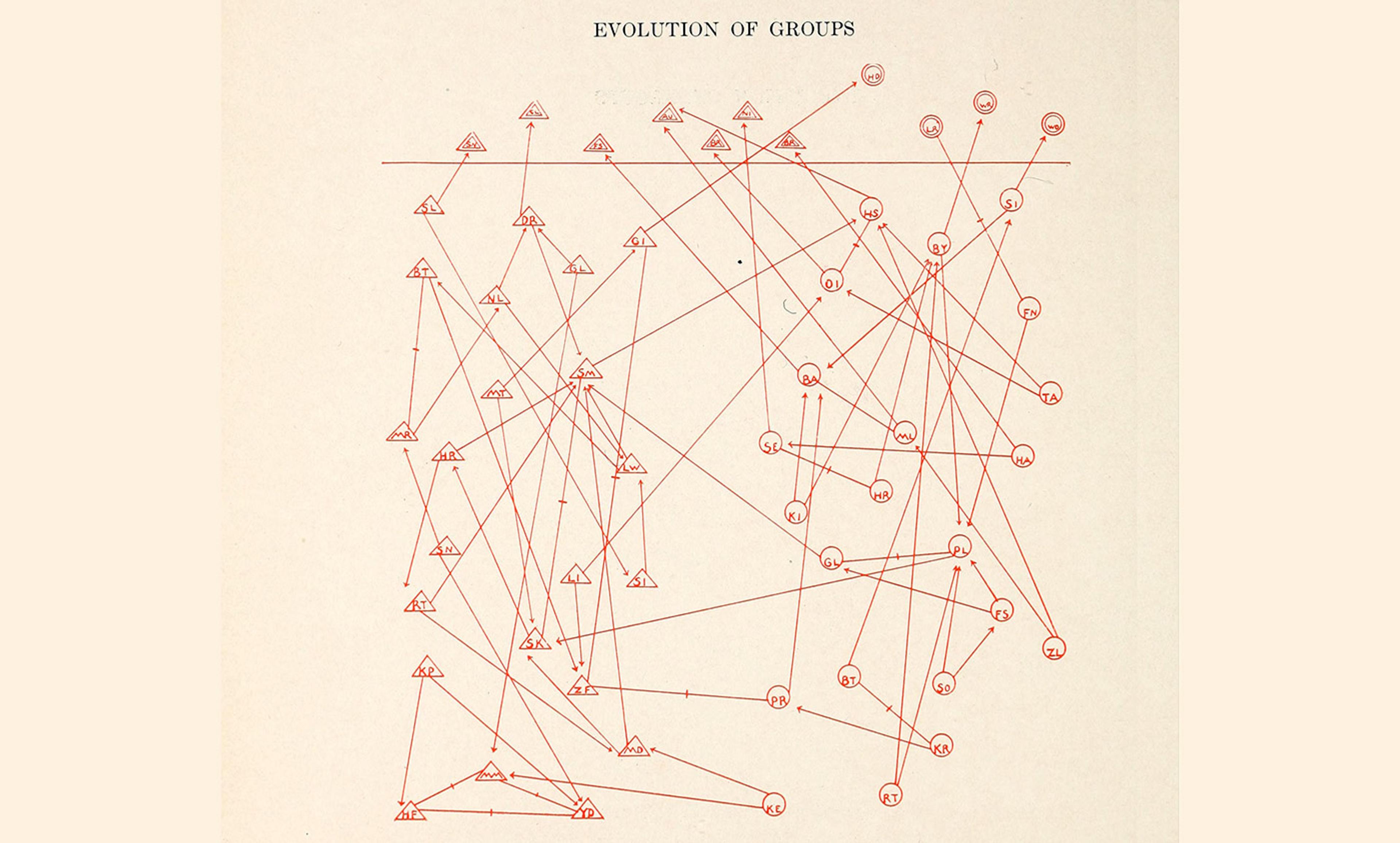
Speculative design uses digital identity graphs not just to build systems, but to critique them. Unlike design fiction, which works within existing constraints, speculative design aims to disrupt and question the economic mechanics of social interaction. It asks "what if" rather than "how to."
In this context, social graphs become canvases for exploring alternative futures. Designers might visualize a world where users "buy keys" to access specific social circles, turning social capital into a tangible, speculative asset. This approach highlights the friction between community building and market forces.
By materializing these abstract economic structures, speculative design reveals the hidden values embedded in our digital connections. It allows viewers to create meaning out of the visual languages of data, challenging the assumption that current social graph models are inevitable or neutral.
Common questions about social graphs
Understanding the mechanics of digital identity requires clarifying how networks are structured and how future scenarios are designed. These distinctions shape how users interact with speculative assets and economic models.
No comments yet. Be the first to share your thoughts!