
Speculation-driven social graphs
When social platforms treat user connections as tradeable assets, the network stops functioning like a community and starts operating like a casino. This model, often called a speculation-driven social graph, shifts the primary incentive from genuine interaction to financial gain. Users do not follow people to see their lives; they follow to buy "keys" or tokens that might appreciate in value if the influencer grows in popularity.
This dynamic creates a fragile environment where attention is commodified. The platform’s growth strategy relies on the hope that new entrants will pay higher prices for existing connections, much like buying penny stocks or crypto. It is a system built on the promise of short-term profit rather than long-term utility. As Variant Fund noted in their analysis of this sector, these products often feel more like gambling than social networking because the social bond is secondary to the speculative bet.
The risk is that the graph becomes a series of isolated, transactional bubbles. When the speculation cools, the engagement evaporates. Unlike traditional social networks where value accumulates through accumulated history and trust, these graphs can collapse when the financial incentive disappears. The connection is not to the person, but to the potential payout. This distinction is critical for understanding why many AI-driven social experiments fail to retain users once the initial hype fades.
To recognize this model, look for features that explicitly monetize attention without providing reciprocal value. If the primary call-to-action is to "invest" in a profile rather than "follow" them, you are looking at a speculation-driven graph. The social layer is merely the wrapper for a financial instrument.
Speculation-Driven Social Graphs: Tradeoffs to Evaluate
When platforms treat social connections as tradable assets, the mechanics shift from community building to market dynamics. This model often resembles a casino more than a traditional social network, where engagement is driven by the potential for financial gain rather than organic interaction. Understanding these tradeoffs is essential for anyone navigating or building in this space.
The following comparison breaks down the concrete factors that define speculation-driven social graphs, highlighting the distinct advantages and risks inherent in this approach.
| Factor | Benefit | Risk |
|---|---|---|
| Liquidity | Immediate monetization of social capital through tokenized shares or badges. | Prices can plummet as quickly as they rise, eroding perceived value rapidly. |
| Engagement | High initial activity driven by FOMO and the desire to "early adopt" connections. | Interactions become transactional; users may ignore content that doesn't affect price. |
| Network Effects | Rapid user acquisition as influencers attract traders seeking exposure. | The network may collapse if the speculative hype fades, leaving no organic usage. |
| Community Health | Clear incentive structures for early contributors and creators. | Toxic behavior and manipulation increase as participants prioritize profit over connection. |
The volatility seen in crypto markets often mirrors what happens in these social platforms. Just as a speculative bubble can inflate and burst, so too can the value of a social connection. Investors and users alike must recognize that the "riches" generated in these eras are often fleeting, tied to short-term sentiment rather than long-term utility.
How to evaluate AI social platforms for speculation
Speculation-driven social products often function more like games or casinos than traditional networks. The Variant Fund notes that these platforms are designed to capture attention through financial incentive rather than organic connection. To navigate this, you must treat the platform as a speculative asset class, not a social utility.
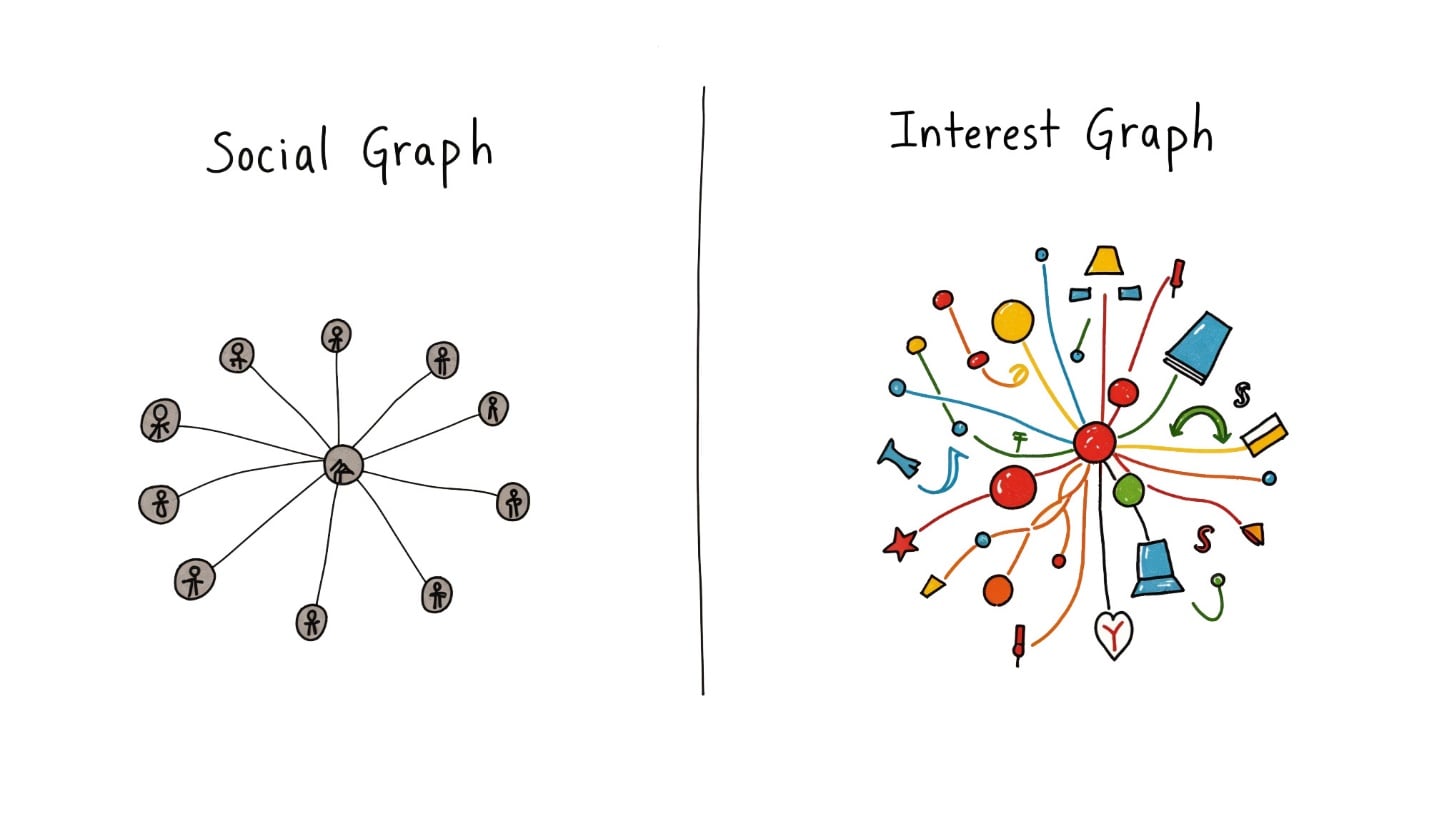
Check if the platform rewards engagement with tradable tokens or NFTs. Platforms like FriendTech pioneered this by allowing users to buy and sell access to creators. If the primary value is financial speculation rather than communication, you are entering a high-volatility market.
Speculative bubbles form when asset prices skyrocket due to irrational exuberance. Before investing time or money, verify if there is a secondary market for your engagement. Without liquid exit options, your "social capital" is trapped and may become worthless if the platform collapses.

Most speculative investments are non-productive assets. Unlike real estate or stocks that generate cash flow, social tokens rely entirely on the hope that someone else will pay more later. Recognize that you are betting on short-term price movements, not the long-term health of the community.
Governments and developers are increasingly scrutinizing digitally mediated capital. Regulatory changes can instantly invalidate the speculative value of social tokens. Stay alert to policy shifts that could restrict trading or reclassify these assets, as this often triggers rapid market corrections.
Key Takeaway: Treat AI social speculation as a high-risk financial experiment. The value is derived from market sentiment, not utility. If you cannot exit quickly, you are not investing; you are gambling.
Spotting Weak Options in AI Social Bets
The promise of AI-driven social connectivity often masks a lack of utility. When platforms prioritize engagement metrics over genuine connection, they risk becoming speculative assets rather than useful tools. Recognizing the difference helps you avoid projects that offer hype instead of function.
Betting on Attention, Not Utility
Many AI social products operate more like casinos than networks. They incentivize users to create content or buy tokens not for community value, but for potential price appreciation. This model resembles speculative investments in penny stocks or crypto, where the asset’s worth is detached from any productive output. If the primary goal is short-term trading rather than sustained interaction, the foundation is weak.
The Illusion of Growth
Speculative bubbles form when prices skyrocket due to irrational exuberance rather than fundamental value. In social tech, this looks like a sudden influx of users driven by viral AI gimmicks, followed by a sharp crash when the novelty wears off. A speculative bubble exists when the price exceeds what anyone would pay if they had to hold the asset forever. If your only reason for using the platform is to sell it later, you are part of the bubble, not the community.
Confusing Hype with Innovation
True innovation solves a specific problem. Weak options often confuse novelty with utility, using AI to generate content that adds no real value to the conversation. They rely on the fear of missing out (FOMO) to drive adoption. Before engaging, ask: Does this AI feature improve my social experience, or is it just a mechanism to extract value from my attention? If the answer is the latter, walk away.
Speculation-driven social graphs: what to check next
What are examples of speculation in social media?
Speculation in social graphs involves buying or selling access to attention, such as FriendTech keys, before a user gains mainstream traction. Other examples include trading tokens tied to influencer engagement metrics or betting on the viral growth of niche communities. These assets are non-productive, meaning they don’t generate cash flow, and their value relies entirely on the hope that someone else will pay more later.
Does speculation create bubbles?
Yes. When demand for social tokens or influencer keys outpaces actual utility, prices detach from reality. This creates a speculative bubble where values skyrocket due to irrational exuberance rather than fundamental worth. These bubbles are marked by rapid increases in value, often followed by a sharp decline as the market corrects itself and early investors exit.
What does it mean to speculate and how did speculating make people rich during this era?
Speculation is the purchase of an asset with the hope that it will become more valuable in a brief amount of time. In the social media era, early adopters made fortunes by buying low-cost access keys to creators who later became mainstream celebrities. They profited from short-term price movements driven by hype, not long-term investment in the creator’s enduring value.
What is the speculative bubble theory?
The theory suggests that asset prices exceed every trader’s valuation if they were obliged to hold the asset forever. In social graphs, this means users buy in because they expect to sell to a "greater fool" later, not because they value the connection itself. This speculative trade relies on continuous new money entering the system to sustain inflated prices.
No comments yet. Be the first to share your thoughts!