
The constraints of speculation-driven social graphs
Speculation-driven social graphs reshape how information flows through digital networks, but they introduce structural limits that affect both trust and transparency. When financial narratives spread through these networks, the signal-to-noise ratio shifts dramatically. Posts that generate high engagement often prioritize emotional resonance over factual accuracy, creating feedback loops that amplify unverified claims.
Research indicates that social network analytics can predict stock price movements, yet the effectiveness of these signals depends heavily on the graph's composition. Graph-based methods attempt to extract expert opinions from the noise, but the underlying structure often favors speed over depth. This constraint means that algorithmic transparency becomes difficult to achieve, as the weighting of influence is opaque and dynamic.
For investors, understanding these constraints is essential. The graph does not merely reflect market sentiment; it actively shapes it through speculative amplification. Recognizing this dynamic allows for better verification of sources and a clearer view of how information propagates through the network.
The tradeoffs of speculation-driven social graphs
Speculation-driven social graphs prioritize velocity over verification. When algorithms optimize for engagement through short-term price movements, they amplify noise and reward coordinated narratives rather than fundamental value. For 2026, this shift demands a rigorous framework to separate signal from speculation.
Evaluating these networks requires looking beyond follower counts. You must assess the structural integrity of the connections and the transparency of the underlying data. The following comparison breaks down the core factors you should weigh when deciding whether a social graph offers reliable insight or merely manufactured momentum.
| Factor | Signal Value | Speculation Risk | Algorithmic Transparency |
|---|---|---|---|
| Momentum Trading | High short-term accuracy | Extreme volatility exposure | Low; black-box sentiment scoring |
| Expert Network Analysis | Moderate predictive power | Medium; expert bias potential | Medium; source attribution visible |
| Organic Community Growth | Long-term trend reliability | Low; slower price appreciation | High; open follower metrics |
| Influencer-Driven Hype | Low fundamental validity | High; pump-and-dump patterns | Very low; hidden affiliate links |
The data reveals a clear pattern: high signal value often correlates with low transparency. Momentum trading strategies, for instance, may predict short-term movements with surprising accuracy, but they operate within opaque algorithms that hide their sentiment scoring methods. This lack of visibility makes it difficult to audit whether the graph is reflecting genuine market sentiment or artificial inflation.
Conversely, organic community growth offers lower immediate returns but provides a more stable foundation for long-term decision-making. The transparency here is higher, allowing you to verify follower authenticity and engagement quality. However, the risk is not zero; slow growth can still be manipulated through bot networks that mimic human behavior.
To navigate this landscape, start by identifying which factors matter most for your specific strategy. If you are trading short-term volatility, you must accept the tradeoff of reduced transparency. If you are building a long-term portfolio, prioritize graphs with high transparency and moderate signal value. Always cross-reference social graph insights with traditional market data to confirm whether the speculation is grounded in reality or detached from fundamental performance.
How to evaluate speculation-driven social graphs
Social media algorithms are no longer just reflecting public opinion; they are actively shaping market expectations. When social graphs become speculation-driven, the feedback loop between sentiment and price accelerates, often decoupling from fundamentals. This creates a volatility environment where trust is fragile and transparency is obscured.
To navigate this, you need a practical framework that separates signal from noise. The goal is not to predict every viral moment, but to identify when social momentum is becoming a primary driver of price action. By applying specific checks, you can assess whether a social trend is grounded in data or driven by speculative hype.
Start by auditing the origin of the social data. Not all social metrics are equal. Look for sources that distinguish between organic expert commentary and bot-driven amplification. Research suggests that graph-based methods can transform limited expert predictions into practical signals, but only if the source quality is high. If you cannot trace the sentiment back to verifiable, high-trust accounts, treat the signal as noise.
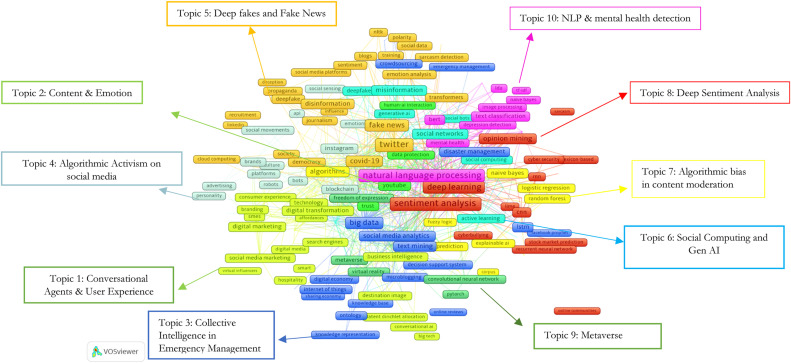
A social trend is only relevant if it moves the market. Check for a direct correlation between spikes in social mention volume and unusual trading volume. If social chatter is high but price and volume remain flat, the graph is likely speculative rather than substantive. Conversely, if price moves significantly without a corresponding social spike, the market may be pricing in information that social graphs are missing.
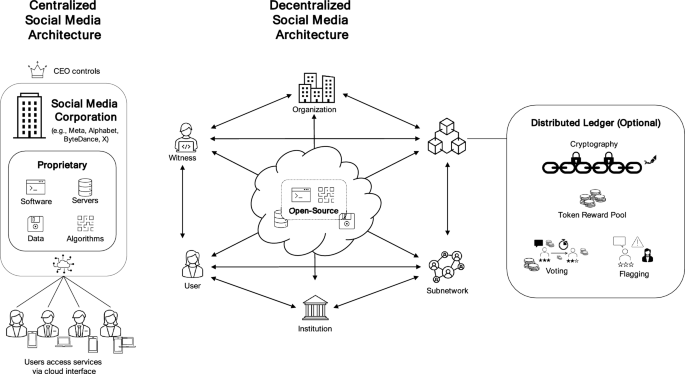
Algorithmic transparency is the next frontier. Determine if the social platform’s algorithm is amplifying specific narratives for engagement rather than accuracy. Look for evidence of echo chambers where dissenting views are suppressed. If the social graph appears to be pushing a single narrative without counterbalance, it is likely driven by speculative incentives rather than diverse market intelligence.
| Metric | Signal | Noise |
|---|---|---|
| Volume | Correlated with price action | High mentions, low volume |
| Source | Verified experts, institutions | Anonymous bots, influencers |
| Diversity | Multiple conflicting viewpoints | Echo chambers, single narrative |
Proof checks and common mistakes
The most common mistake is assuming that high engagement equals market validity. Engagement is often manufactured. To avoid this, always cross-reference social sentiment with on-chain data or traditional market indicators. If the social graph suggests bullishness but on-chain metrics show distribution, the social signal is likely false.
Another pitfall is ignoring the time lag. Social sentiment can peak before price action, or vice versa. Use technical analysis to identify the entry point, not the social graph. Let the market confirm the social trend. If the price does not follow the narrative, the social graph is failing as a predictive tool.
By focusing on these proof checks, you can build a more robust defense against speculation-driven volatility. The key is to remain skeptical of social trends that lack fundamental or technical confirmation.
Spotting Misleading Social Graph Claims
Speculation-driven social graphs promise alpha through network density, but the signal is often drowned out by noise. When algorithms prioritize engagement over accuracy, they amplify retail FOMO while hiding institutional positioning. You need to separate genuine consensus from coordinated hype.
Common Mistakes to Avoid
The biggest error is treating follower count as a proxy for market insight. High visibility does not equal high accuracy. Many "influencers" trade on momentum, not fundamentals. If a post gains traction because it is emotional rather than analytical, it is a trap, not a tip.
Another frequent mistake is ignoring the graph's structure. A dense cluster of retweets from similar accounts suggests a coordinated pump, not organic interest. Look for diverse sources and independent verification. If every node in the network echoes the same ticker, the signal is manufactured.
Verification Checklist
Before acting on social data, cross-reference with on-chain metrics or official filings. Use tools that map transaction origins, not just sentiment. If the price moves without volume confirmation, the graph is likely speculative fiction. Always verify the source's track record, not just their current following.
Speculation-driven social graphs: what to check next
Speculation-driven social graphs prioritize short-term price momentum over fundamental value, creating feedback loops that can distort market signals. Before engaging with these networks, it is essential to understand how algorithmic amplification shapes your perception of risk and opportunity.
No comments yet. Be the first to share your thoughts!