
What is a speculative social graph?
A speculative social graph is a network structure designed to predict, shape, or simulate social interactions before they fully emerge. Rather than mapping existing connections, it uses AI-driven speculation to curate content and relationships based on probable future behaviors. This approach shifts the algorithm from reactive sorting to proactive engineering of virality.
The core constraint lies in its reliance on probabilistic models. These systems do not just analyze what users like; they infer what users might like based on fragmented data points, often creating echo chambers that feel personalized but are actually narrowly defined by the model’s predictions. This creates a feedback loop where the graph reinforces its own assumptions about user intent.
How AI speculation rewrites viral algorithms
Traditional algorithms rank content based on historical engagement. Speculative graphs, however, use generative AI to simulate potential viral trajectories. They might amplify a post not because it has high current engagement, but because the model predicts it will trigger a specific emotional response in a hypothetical future audience. This allows platforms to "pre-viralize" content, testing narratives in simulated environments before exposing them to the public.
This process introduces a significant constraint: the loss of serendipity. When algorithms prioritize speculative outcomes, content that defies prediction or lacks clear emotional hooks is often suppressed. The social graph becomes a self-fulfilling prophecy, where only the most easily modelable interactions survive, narrowing the diversity of voices and ideas that reach a wide audience.
Real-world examples of speculative design in social networks
Speculative design in this context often takes the form of simulated user profiles or predictive engagement scores. For instance, some platforms use AI-generated "ghost users" to test content resonance. These synthetic accounts interact with posts in simulated environments, providing data on how real users might react without risking actual community harm. This allows for rapid iteration of viral strategies.
Another example is the use of predictive tagging. Instead of tagging content based on what it is, speculative graphs tag content based on what it resembles in terms of viral potential. A video about a niche hobby might be tagged and distributed to audiences interested in entirely different topics if the AI speculates that the underlying emotional arc will resonate. This creates cross-pollination of ideas but also risks miscontextualizing content.
The trade-off between personalization and prediction
The primary benefit of speculative social graphs is hyper-personalization. Users see content that aligns perfectly with their inferred interests, creating a highly engaging experience. However, this comes at the cost of transparency and control. Users often do not know why they are seeing certain content, as it is driven by opaque speculative models rather than explicit preferences.
In addition, the reliance on speculation can lead to algorithmic bias. If the training data for the speculative model is skewed, the predictions will be skewed. This can result in the systematic marginalization of certain groups or ideas, as the AI fails to accurately speculate on their potential impact. The graph becomes a mirror that reflects not reality, but the algorithm’s limited understanding of it.
Speculative social graphs choices that change the plan
Building speculative social graphs involves balancing immediate viral growth against long-term platform health. When platforms enshrine speculation—allowing users to trade influence or attention as assets—they often see a spike in engagement. However, this creates distinct structural risks that designers must evaluate before implementation.
The core tension lies in whether speculative activity complements the social experience or crowds it out. If the trading mechanics overshadow genuine interaction, the graph becomes a casino rather than a community. Below are the primary tradeoffs to consider when designing these systems.
| Factor | Benefit | Risk | Mitigation |
|---|---|---|---|
| Liquidity | High engagement spikes | Bot-driven inflation | Proof-of-human checks |
| Ownership | User retention | Market manipulation | Trading limits |
| Algorithmic bias | Personalized feeds | Echo chamber entrenchment | Diversity weighting |
| Monetization | New revenue streams | Pay-to-win dynamics | Free tiers |
Liquidity and Bot Inflation
High liquidity attracts speculative capital, but it also invites automated bots. These bots can artificially inflate the value of certain nodes or edges, distorting the graph’s true social signal. Without strict proof-of-human verification, the graph becomes noisy and unreliable.
Ownership and Market Manipulation
Granting users ownership of their social connections creates powerful retention tools. However, it also opens the door to market manipulation, where wealthy actors buy influence. Implementing trading limits and cooldowns can help stabilize the market without stifling genuine activity.
Algorithmic Bias and Echo Chambers
Speculative graphs often optimize for engagement, which can reinforce existing biases. If users only trade with those who share their views, the graph becomes an echo chamber. Designers must weight diversity in the algorithm to prevent this entrenchment.
Monetization and Pay-to-Win Dynamics
Monetizing social graphs provides new revenue streams, but it risks creating pay-to-win dynamics. If users can buy visibility or influence, the platform loses trust. Offering robust free tiers and transparent pricing helps maintain fairness.
Evaluate the algorithmic choices that change the plan
Speculative design isn’t just a theoretical exercise; it’s a practical toolkit for navigating how AI reshapes social visibility. When platforms shift from explicit connections to predictive engagement, content that survives is often designed to trigger specific algorithmic behaviors rather than organic conversation.
Here are three concrete examples of how this plays out in practice, helping you distinguish between genuine connection and algorithmic performance.
Speculative visualization takes complex, often invisible data and presents it in aesthetically striking ways to provoke interpretation. Instead of standard charts, creators use abstract or unsettling visuals to force viewers to pause. This stops the scroll not through entertainment, but through cognitive dissonance, making the content highly shareable as a statement rather than just information.
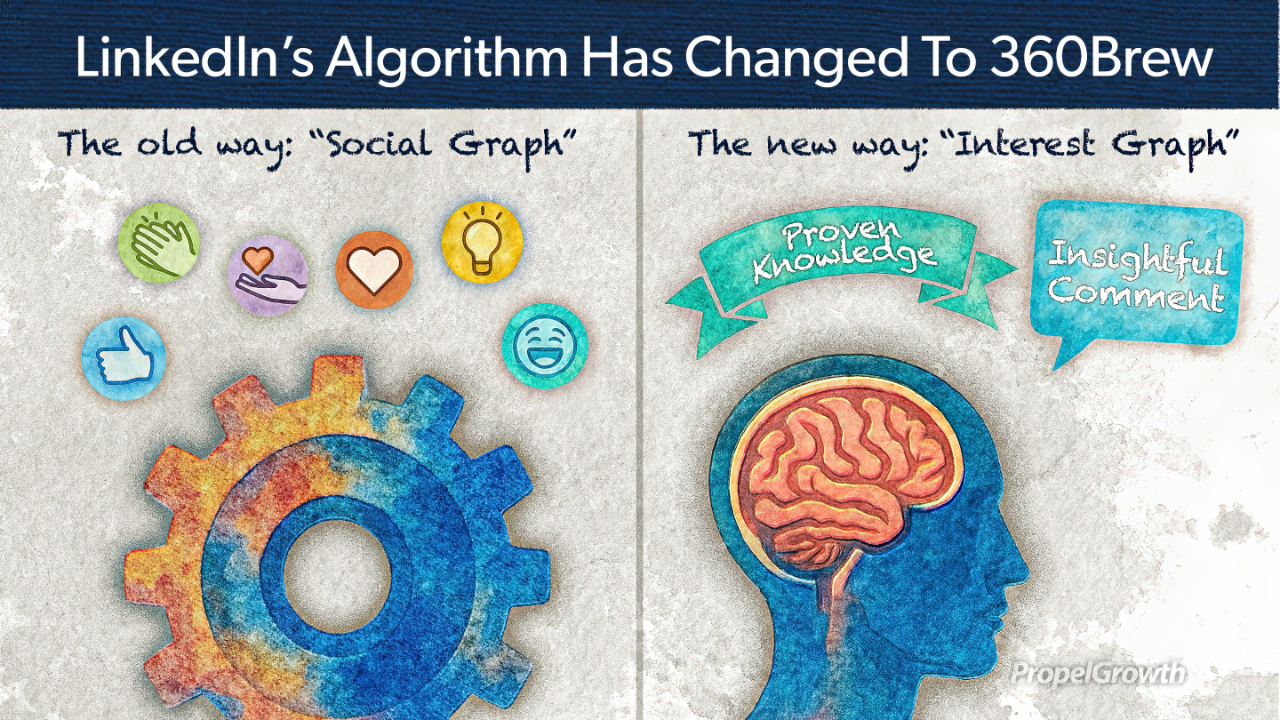
This approach involves posting content that outlines a plausible but fictional future scenario related to a current trend. For instance, a thread imagining how AI-generated identity might affect dating apps in 2030. These narratives engage users by inviting them to debate the premise, generating high comment volume. Algorithms interpret this debate as high engagement, boosting the post’s reach beyond the creator’s immediate network.
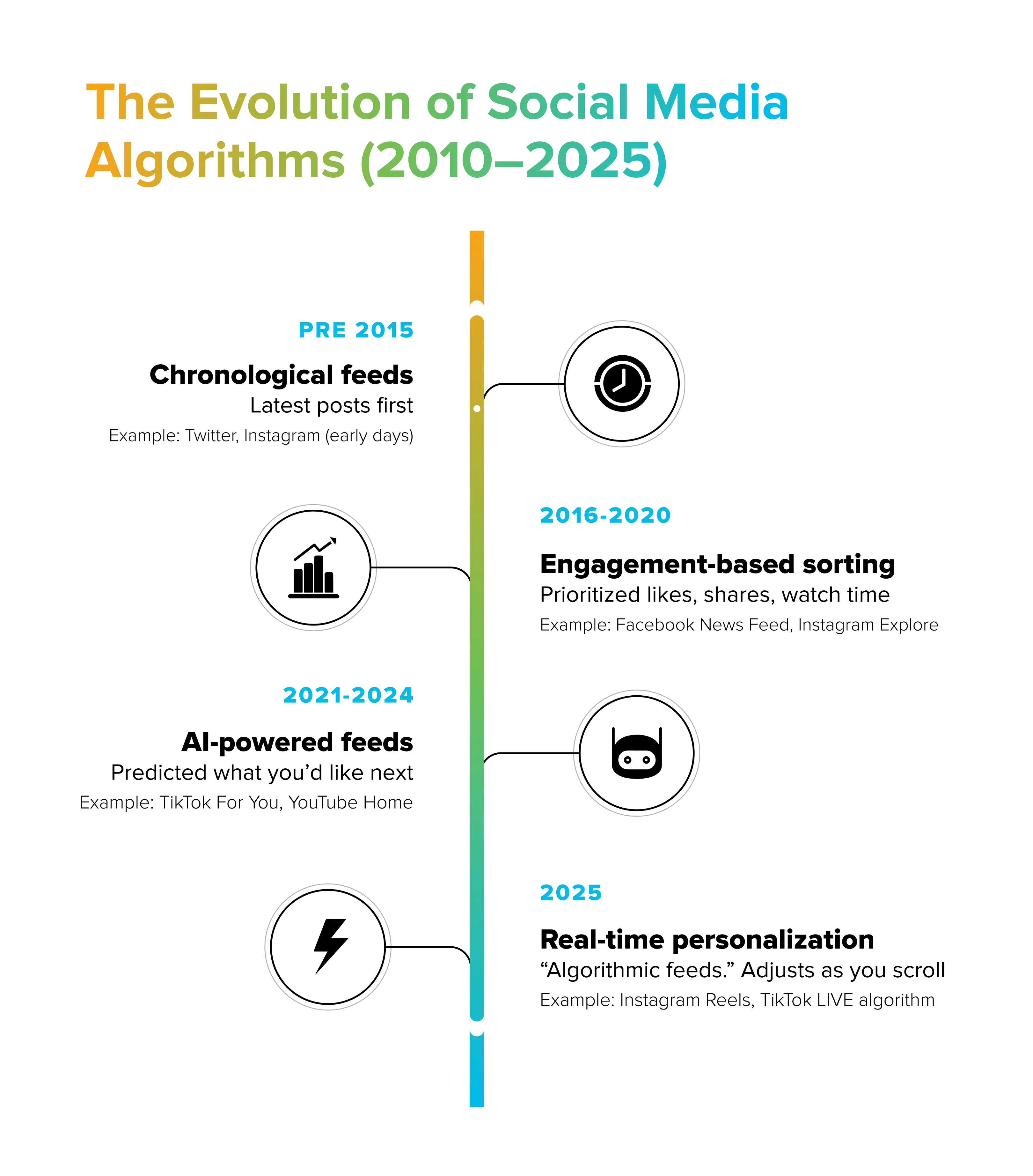
Some creators intentionally design content to exploit known algorithmic biases, such as favoring controversial takes or rapid-fire editing. While effective for short-term visibility, this creates a "speculative" relationship with the platform where the content exists solely to feed the machine. It highlights the tradeoff between viral potential and authentic audience building, often resulting in high traffic but low loyalty.
KeyTakeaways(items=["Speculative design uses provocative visuals to stop the scroll through cognitive dissonance.", "Scenario-based narratives drive engagement by inviting debate over fictional futures.", "Exploiting algorithmic biases can boost visibility but often sacrifices long-term audience loyalty."])
Spotting the weak options
Speculative design isn't just a buzzword for vague futurism; it's a rigorous method for testing ideas. However, the social media landscape is littered with misinterpretations that dilute its value. To cut through the noise, you need to distinguish between genuine provocation and hollow speculation. Here are the common pitfalls to avoid when evaluating or creating speculative work.
The "Sci-Fi Prop" Trap
Many confuse speculative design with science fiction set decoration. A common mistake is creating visually stunning artifacts—like a smart watch that predicts heart attacks ten years in advance—without grounding them in current technological or social trajectories. If the concept requires magic rather than extrapolation, it fails as design. True speculative design uses plausible near-futures to critique present-day assumptions, not to entertain with fantasy.
Ignoring the "So What?"
Another weak option is presenting a scenario without a clear rhetorical goal. Speculative visualization, for instance, should represent socially and politically meaningful data to provoke interpretation, not just to look interesting. If your speculative artifact doesn't challenge a specific norm or reveal a hidden bias in the current system, it’s likely just decoration. The goal is to make the familiar strange, not to create something entirely alien.
Overloading with Jargon
Finally, avoid wrapping simple critiques in dense academic language. Speculative design is meant to be accessible and provocative, not exclusive. If you need a 500-page thesis to explain why your speculative coffee cup is dangerous, the design hasn't done its job. Keep the narrative tight, the visuals clear, and the critique sharp. The best speculative work invites everyone to the table, not just the experts.
Speculative social graphs: what to check next
The intersection of AI algorithms and speculative assets creates confusion about how social networks actually function. These questions address the core mechanics of speculative design, how it differs from traditional prediction, and what it means for the viral content you see today.
These questions highlight the tension between social utility and financial speculation. As AI-driven algorithms become more prevalent, understanding the speculative layer is essential for navigating the new social graph.
No comments yet. Be the first to share your thoughts!